
How to Close a Pre-Roll Cone: Easy Steps for Perfect Sealing
A pre‑roll cone is closed once the open end is sealed after filling, which helps keep the material in place and gives the cone a clean, finished shape. While this step is simple, the outcome can vary depending on factors like fill quality and the pre‑roll papers used, which play a role in how easily the cone responds during closure.
Pre‑rolls are driving major growth in the cannabis market, with total unit sales more than doubling over the past three years and nearly 27 million pre‑rolls sold in a single month in late 2024, showing strong and sustained demand across formats.
Many people hesitate at the closing stage because they are unsure how much to seal, how tight it should be, or whether they are doing it correctly. This blog explains the process in a clear and simple way, helping you understand what to do and why it matters, without making it feel complicated or technical.
Common Methods Used to Close a Pre-Roll Cone
Most pre-roll cones are closed using one of two commonly accepted methods. Each approach focuses on sealing the open end of the cone while keeping the material contained and the overall shape intact.
Simple Twist Closure
The twist closure is one of the most familiar ways to close a pre-roll cone. It involves gently gathering the excess paper at the top of the cone and rotating it until the opening seals. Many people choose this method because it feels intuitive and does not require precise folding or additional tools.
This approach works well when cones are prepared manually or in smaller batches where speed and simplicity matter. A common misconception is that tighter twisting always leads to better results, but excessive force can compress the material below the seal. A light, controlled twist usually provides enough closure while keeping the cone structure balanced and consistent.
Dutch Crown Folded Closure
The Dutch Crown closure uses a folding approach rather than twisting the paper together. Small sections of the excess paper are folded inward one at a time, creating a flat and compact top. The finished cone has a smooth, even appearance with no paper extending upward.
Structurally, this method keeps the top of the cone flatter compared to a twist, which changes how the paper sits at the opening. This style is often chosen when uniform appearance matters across multiple cones. Some assume folding is difficult or time-consuming, but with a clear sequence, the method becomes repeatable and controlled without adding unnecessary complexity.
Practical Approach to Close a Pre-Roll Cone
The closing step often feels uncertain, even when the cone is already filled correctly. Small questions like how much paper to leave or how tight the seal should be can create hesitation at the very end of preparation.
Here is a simple way to close a pre-roll cone without overthinking the process.
Cone Preparation for Closure
Before any closure method is applied, the cone needs to be properly prepared. How you pack a cone and achieve a proper grind directly affects how the paper behaves at the tip. Leaving a small buffer of paper above the fill and applying consistent pressure supports a more secure seal. The goal is a closure that holds its form during normal handling, while proper storage helps maintain cone shape and prevents the seal from loosening during holding or transport.
Key preparation checks include:
Enough paper at the tip to allow sealing
Even material distribution inside the cone
Light firmness without tight packing
Proper preparation helps both closure methods work as intended.
Twist Method Execution
The twist method uses a simple pinch and rotate motion at the top of the cone for premium closing of pre-rolls. The excess paper is gathered gently and rotated until the opening seals. Using light pressure helps avoid disturbing the fill below the seal, which supports a more balanced and controlled closure.
To support a clean twist:
Use light pressure rather than force
Rotate slowly to keep the paper aligned
Stop once the opening is sealed
This approach supports a controlled seal without unnecessary compression.
Dutch Crown Method Execution
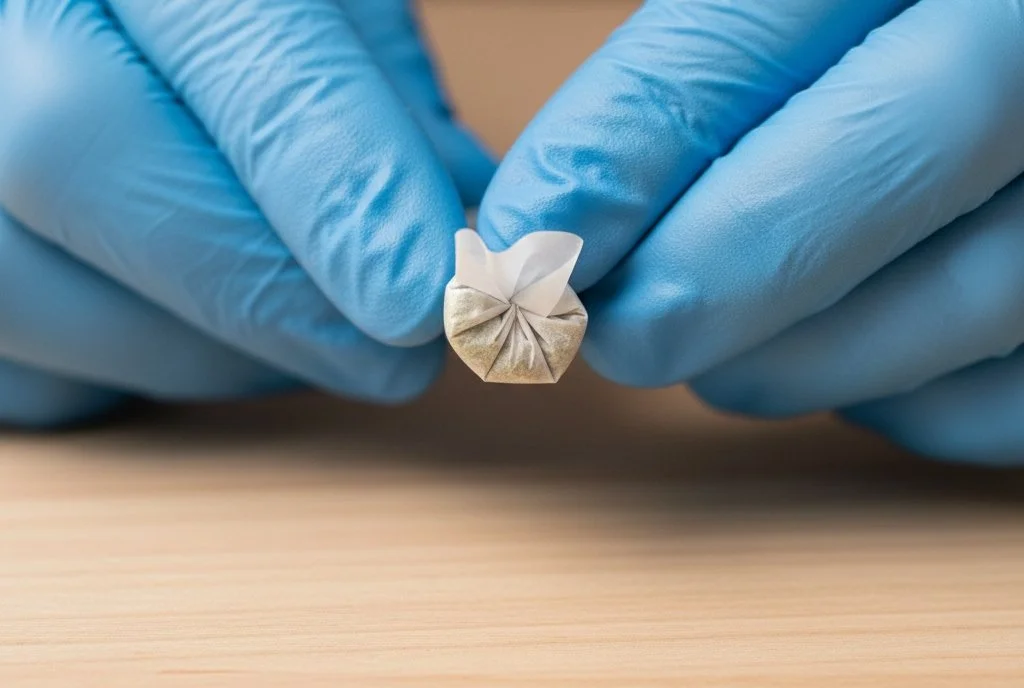
The Dutch Crown method uses gentle folds instead of a twist to close the cone. Small sections of the extra paper are folded inward one by one, creating a flat and tidy top. This method feels easier when the material beneath the tip is level, since the folds sit more evenly and stay in place.
Rather than relying on tight pressure, this approach focuses on shaping the paper into a compact finish. Pressing the folds lightly with a flat tool can help secure the top without disturbing the fill. When repeated, the method produces a clean and consistent closure across multiple cones.
How Twist and Dutch Crown Closures Compare
Both closure methods achieve the same goal, but they differ in how the cone looks, feels, and holds its shape once finished. Understanding these differences helps readers choose an approach that fits their workflow and expectations.
Twist Closure at a Glance
The twist closure is often chosen for its straightforward handling and minimal steps, especially when cones are prepared manually.
Faster to apply with minimal hand movement
Familiar method for many operators
Leaves a small paper tip at the top
Easier to adjust if the seal needs correction
Often preferred when cones are prepared one at a time
Dutch Crown Closure at a Glance
The Dutch Crown closure is typically used when a flatter top and more uniform appearance are part of the preparation goal.
Creates a flat and compact top
Produces a more uniform finished appearance
Requires a consistent folding sequence
Holds its shape well once secured
Often chosen when multiple cones need to look similar
Practical Differences to Consider
When choosing between the two methods, the decision usually comes down to workflow preferences rather than one method being better than the other.
The twist method favors speed and flexibility
The Dutch Crown method favors shape control and visual consistency
Both methods rely on proper preparation rather than force
Results depend more on technique consistency than method choice
Surface factors, such as pre-roll coating can influence how the paper responds during closure
In practice, neither method replaces the other. The right choice depends on how cones are prepared, how important visual uniformity is, and how repeatable the process needs to be.
Issues That Commonly Affect Pre-Roll Cone Closure
Even when the process feels straightforward, small missteps can affect how a cone seals and holds its shape. Most issues show up near the end, but their causes often appear earlier in preparation.
Fill Level Problems Before Closure
Fill level is one of the biggest factors behind closure difficulties. When the cone feels too loose, the material can shift upward during sealing. When it feels too tight, the paper struggles to come together at the tip. Both situations create uneven pressure at the top of the cone.
A balanced fill should feel even when tapped and should leave enough space at the tip for the paper to fold or twist without resistance. Checking fill consistency before closure prevents problems later in the process.
Uneven Seals at the Cone Tip
Uneven seals often happen when the excess paper is closed without first aligning the cone opening. This can cause one side to seal faster than the other, creating a crooked or weak finish.
Taking a brief moment to level the top of the cone helps the paper meet evenly. Slow, controlled movements during closure allow the paper to settle into a more stable shape.
Weak Structure After Closure
A closure may look complete but still feel fragile if pressure was applied unevenly or too close to the fill. Weak spots often appear when the paper is forced into place rather than shaped gradually, especially when surface changes such as kief coating add friction and affect how the paper settles at the tip.
Leaving a small buffer of paper above the fill and applying consistent pressure supports a more secure seal. The goal is a closure that holds its form during normal handling without relying on excessive tension.
Assumptions That Lead to Avoidable Errors
Many closure issues come from assumptions rather than technique. One common belief is that tighter seals always improve results. Another is that a single closure method works the same way in every situation.
In practice, better results come from understanding how preparation, paper position, and pressure work together. Small adjustments often solve issues more effectively than changing methods entirely.
Consistency Tips When You Close a Pre-Roll Cone
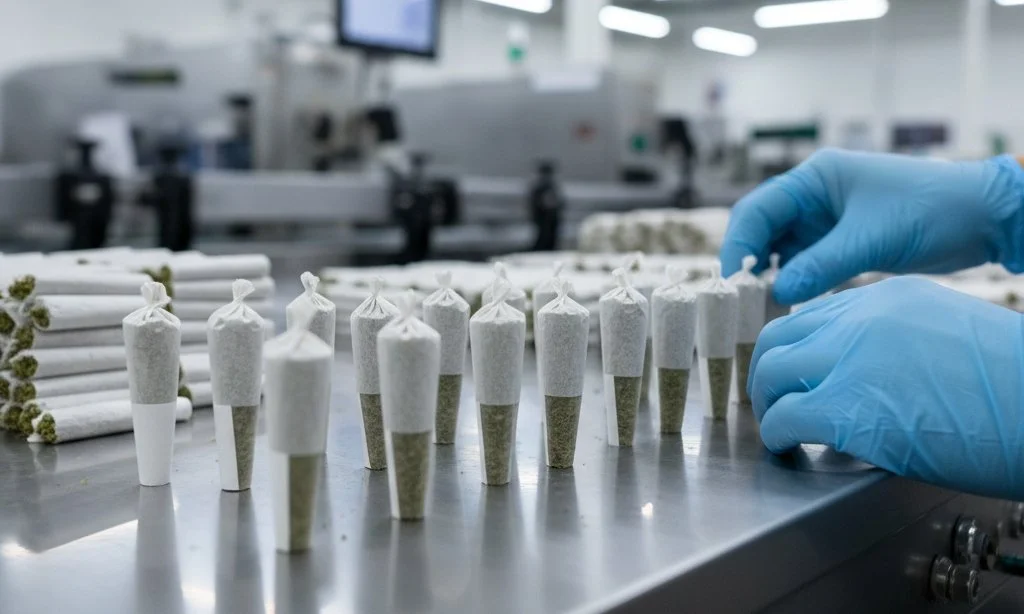
Consistency usually comes from small habits rather than major technique changes. When the same basic checks are applied each time, the closure process becomes more predictable and easier to repeat across multiple cones.
Pay Attention to Fill Density From Cone to Cone
Even slight differences in fill density can change how the paper behaves during closure. One cone may seal smoothly, while another resists folding or twisting, even if the method stays the same.
To support consistent results:
Use the same packing pressure for each cone
Check firmness with a light tap rather than squeezing
Adjust gently if one cone feels noticeably different
Keeping fill density within a narrow range helps the closure behave more consistently.
Use a Consistent Amount of Paper at the Tip
Leaving too much or too little paper can change how reliable the closure feels. Excess paper can fold unevenly, while too little paper limits control during sealing.
Helpful habits include:
Leaving a similar paper length on every cone
Checking the tip visually before closure
Avoiding last-second trimming whenever possible
Consistent spacing gives both closure methods a more predictable starting point.
Make Small Adjustments Instead of Changing Methods
When results feel inconsistent, the issue is often pressure or alignment rather than the closure method itself. Switching techniques too quickly can introduce more variation instead of solving the problem.
Better results usually come from:
Slowing hand movement slightly
Reducing pressure rather than adding more
Correcting paper alignment before sealing
Small, controlled adjustments tend to improve repeatability without disrupting the overall process.
Maintain the Pre-Roll Consistency After Closure
Closing a pre-roll cone becomes much easier when each step is approached with patience rather than pressure. Paying attention to fill level, paper spacing, and hand movement helps the cone hold its shape and feel finished without unnecessary force. Over time, these small habits make the process more predictable and easier to repeat.
Once a cone is properly filled and closed, it is ready for the next stages of the workflow. For teams working at higher volumes, keeping those post-closure steps consistent helps ensure results stay similar from one pre-roll to the next.
To support this part of the process, Sorting Robotics offers automated infusion systems like JIKO and JIKO+, designed to apply controlled, repeatable infusion after the pre-roll has already been created. This allows teams to focus on maintaining quality and consistency as production scales.
Schedule a demo today at SortingRobotics.com to see how your pre-roll production can reach the next level.
Frequently Asked Questions
How do I know when a pre-roll cone is not ready to be closed yet?
A cone may not be ready for closure if the fill feels uneven, material sits too close to the tip, or the paper looks stretched. These signs suggest preparation needs adjustment before the cone can be sealed properly.
What signs indicate that closing a cone too early may cause issues later?
Early closure can lead to shifting material, uneven seals, or a weak structure at the tip. If the cone has not been leveled or the fill feels unstable, sealing too soon may create problems during handling or storage.
Why does pre-roll cone closure feel inconsistent when different people perform the same steps?
Closure often varies because hand pressure, pace, and small movements differ from person to person. Even when steps remain the same, these subtle differences can affect how the paper folds or twists at the tip.
How does hand pressure variation affect closure results?
Too much pressure can compress material or strain the paper, while too little pressure may leave the seal loose. Consistent, moderate pressure helps the paper come together evenly without disturbing the fill beneath the closure.
What should be checked immediately after closing a pre-roll cone?
After closure, the cone should be checked for tip stability, even paper alignment, and loose material near the opening. A quick visual and light touch check helps confirm the seal holds its shape during normal handling.
How can minor closure issues be identified before cones move to the next stage?
Minor issues often appear as uneven tips, soft spots, or slight gaps in the seal. Spotting these early allows for small corrections before cones are stored, packaged, or passed into downstream processes.
What makes pre-roll cone closure harder to repeat at higher volumes?
As volume increases, fatigue, speed changes, and operator variation become more noticeable. These factors can introduce inconsistency even when the same steps are followed, making repeatability harder to maintain in manual workflows.
At what point does manual cone closure begin to limit consistency?
Manual closure can become limiting when output increases, and consistent results are expected across large batches. At this stage, maintaining uniform pressure, timing, and technique becomes more challenging without structured or automated support.