
How to Make Perfect Hash Hole Pre-Rolls Every Time
A hash hole pre-roll is a cannabis joint with a thin core of solventless hash rosin running through its center, surrounded by premium ground flower. This format has evolved from a niche luxury to a major retail powerhouse; according to retail data from the cannabis analytics firm Headset, the rising consumer demand for ultra-premium formats like the hash hole helped push total pre-roll sales to a record $4.1 billion, with these top-tier infused joints now capturing over 43% of all category transactions.
As the joint burns, the rosin vaporizes and melts into the flower, leaving a signature donut-shaped hole in the ash and delivering a potent, terpene-rich smoking experience. Making one at home involves selecting quality flower and rosin, shaping the rosin into a thin snake, layering it inside the flower, and rolling everything tightly into a king-size paper.
Whether you are a solo enthusiast or a dispensary owner looking to add hash holes to your SKU lineup, the difference between a mediocre roll and a flawless one comes down to preparation and technique.
The steps below cover material selection, the rolling process, common pitfalls, and tips for smoking your finished joint the right way. For brands producing at scale, we also cover how automation fits into the picture without sacrificing the craft-level quality that hash holes demand.
What Is a Hash Hole Pre-Roll
Hash holes go by several names: donut holes, snake holes, wormholes, and rosin rolls. Regardless of what you call them, the concept stays the same. A thin cylinder of concentrate, usually solventless hash rosin or six-star bubble hash, sits at the center of a joint wrapped in ground cannabis flower. When lit, the flower combusts around the concentrate, and the rosin slowly vaporizes inward, producing the visible hollow ring that gives hash holes their name.
This format differs from other infused pre-rolls, where concentrate is mixed in with the flower or coated on the outside. Because the rosin is placed at the core, every draw pulls flavor and cannabinoids from both the flower and the concentrate simultaneously. The result is a layered flavor profile, stronger effects, and a smoother burn compared to a standard joint.
Hash holes typically test between 35% and 40% THC, compared to 20% to 25% for a regular pre-roll. That jump in potency, combined with the terpene amplification from the solventless rosin, is what makes them one of the fastest-growing segments in the infused pre-roll market.
Why are hash holes also called donut joints?
The nickname comes from the visual pattern left in the ash. As the rosin core melts and vaporizes through the center, the surrounding flower burns in a ring shape. Looking at the lit end of the joint from the bottom, the ash forms a circle with a hollow middle, similar in appearance to a donut. This donut effect is actually a sign of a properly rolled hash hole, because it confirms that the rosin was centered and is vaporizing evenly throughout the session.
Materials You Need for Hash Hole Pre-Rolls
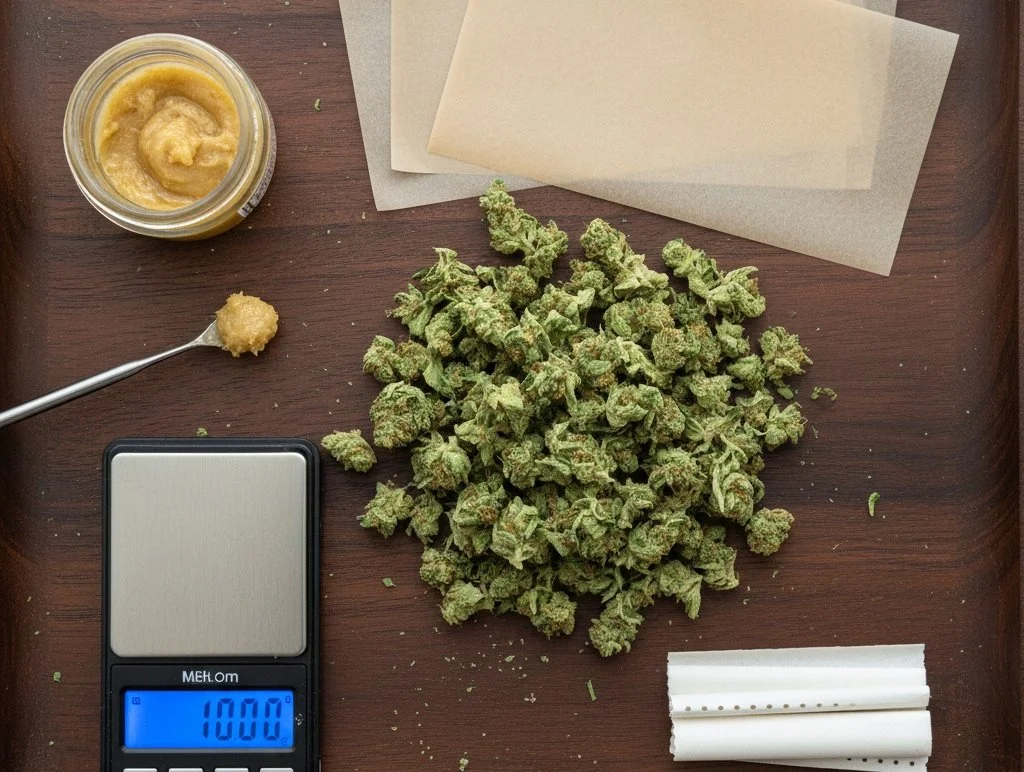
Getting the materials right is half the battle. Using low-grade flower or the wrong type of concentrate will affect the burn, the flavor, and the overall experience. Here is what you need:
Premium Cannabis Flower: Fresh, sticky, and terpene-rich buds with a strong terpene profile. Aim for 1.5 to 2 grams per hash hole. Avoid bone-dry flower, as it burns faster than the rosin and causes uneven combustion.
Solventless Hash Rosin: Full-melt solventless rosin in a badder or budder consistency. It should be malleable enough to roll into a snake but firm enough to hold its shape. Use roughly 0.3 to 0.5 grams per joint.
King-Size Rolling Papers: Slow-burning, unbleached hemp papers from brands like RAW, Elements, or Vibes. The larger surface area of a king-size paper gives you enough room to encase the rosin snake properly.
Filter or Crutch: A glass or paper filter tip adds structure, improves airflow, and prevents the end from getting soggy during the session.
Rolling Tray and Tools: Parchment paper or gloves for handling sticky rosin, a dabber tool for scooping concentrate, and optionally a grinder, torch lighter, and scale for precision.
Can you use bubble hash instead of rosin for a hash hole?
Yes, bubble hash works as a substitute, especially for six-star full-melt varieties. The main difference is in handling. Bubble hash tends to be grainier and harder to shape into a consistent snake compared to badder-consistency rosin. If using bubble hash, sprinkle it in a thin, even line down the center of the flower rather than trying to form a cylinder. The burn characteristics will still produce the donut effect, though rosin typically offers a smoother, more controlled vaporization.
Step-by-Step Guide to Rolling Hash Hole Pre-Rolls
The rolling process requires patience more than anything else. Each step builds on the last, and rushing through any of them will show up as an uneven burn or a clogged draw.
Select and Prepare Your Flower
Start with top-shelf flower that has a strong aroma and visible trichome coverage. Break the buds down by hand or use a grinder on a very light setting. You want small, fluffy pieces that allow airflow, not a fine powder that packs too tightly. Over-grinding is one of the most common mistakes and leads to dense packing that restricts the draw and prevents the rosin from vaporizing properly.
If your flower is too dry, use a humidity control pack in a sealed container for several hours before rolling. Avoid home remedies that introduce uneven moisture, as excess water can affect burn quality and increase the risk of mold. Properly hydrated flower burns at a rate closer to the rosin, which is critical for an even hash hole experience.
Shape the Hash Rosin Core
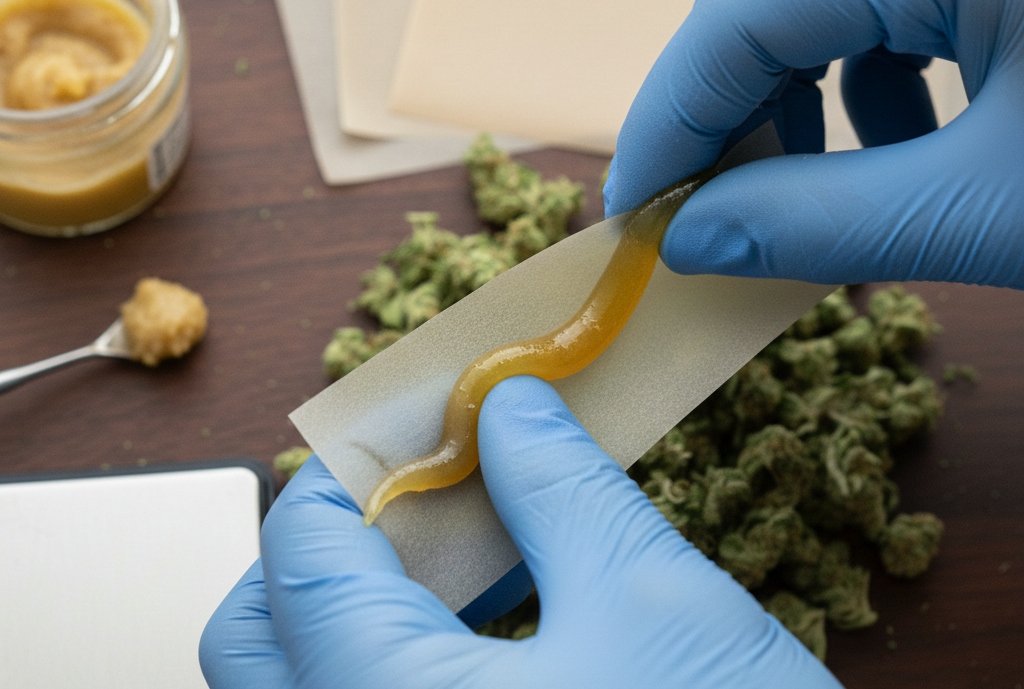
Take your cold-cured or solventless rosin and scoop out about 0.3 to 0.5 grams using a dabber tool. If the rosin is too sticky, pop it in the fridge for two to three minutes to firm it up. Using gloves or parchment paper, gently roll the rosin between your palms until it forms a thin, even snake about two to three inches long and roughly three to four millimeters thick.
Consistency in thickness is what separates a smooth-burning hash hole from one that clogs or runs. An uneven core will vaporize at different rates across the joint, creating hot spots or causing one side to canoe. Take the extra minute to get this step right.
Set Up Your Rolling Paper Base
Lay your king-size rolling paper flat on the tray with the adhesive strip at the top, facing away from you. Place a filter or crutch at one end. Spread a thin, even layer of ground flower across the paper, leaving a small border around the edges. Then carefully position your rosin snake horizontally across the center of the flower bed, making sure it runs lengthwise and sits roughly in the middle of the flower layer.
Keep the snake away from both the filter end and the open tip. If the rosin sits too close to the filter, it can clog the draw. If it is too close to the tip, it may burn off too quickly before the flower catches up.
Layer Flower Over the Rosin and Roll
Cover the rosin snake with another layer of ground flower so the concentrate is fully encased on all sides. This outer layer of the flower controls how the rosin melts and prevents it from sticking to the paper during the roll.
With the flower and rosin in place, lightly shape the contents into a cylinder with your fingers. Tuck the bottom edge of the paper around the contents and begin rolling upward. The goal is a firm but not overly tight finish. Too tight and you kill the airflow. Too loose and the joint falls apart during the session. Work from the filter end toward the open tip to keep everything aligned.
Seal and Pack the Joint
Lick the adhesive strip lightly and press to seal. Avoid over-wetting, which weakens the paper. Once sealed, either twist the open end closed or gently tap the joint vertically on the tray a few times to settle the contents and fill any air pockets. Some rollers use cigar glue for a tighter seal, which is especially useful if you are preparing hash holes for sale rather than personal use.
A well-packed joint should feel uniformly firm when you roll it between your fingers. Any soft spots signal uneven flower distribution, which will show up as runs or canoes when you light it.
Let the Pre-Roll Cure Before Smoking
This step is optional but worth the wait. Letting the finished hash hole joint rest for an hour or two in a cool environment allows the rosin oils to seep into the surrounding flower. The result is a more cohesive burn and a richer flavor profile.
For an even more refined experience, store the joint in an airtight tube for a day or two. This extended cure period helps the concentrate integrate fully with the flower, producing a smoother draw and more consistent combustion from start to finish. If you are batch-producing hash holes ahead of time, this curing step also helps with quality control and shelf stability.
As supported by a study in the National Library of Medicine, allowing time for terpenes and cannabinoids to integrate can enhance the overall therapeutic and flavor effects of cannabis products.
How long should you cure a hash hole pre-roll for the best results?
A minimum of one to two hours at room temperature will make a noticeable difference. For premium results, a 24 to 48 hour cure in a sealed tube stored in a cool, dark space is ideal. Beyond 48 hours, the returns diminish unless your storage conditions are carefully controlled. The curing process lets the terpenes from the rosin and the flower mingle, which improves the overall flavor complexity and helps the rosin vaporize more gradually during the smoke.
Common Mistakes That Ruin Hash Hole Pre-Rolls
Even experienced rollers run into issues with infused pre-rolls when they skip fundamentals. Here are the most frequent problems and how to avoid them.
Over-grinding the flower is the top offender. A fine grind creates a dense pack that chokes airflow, causing the rosin to melt unevenly and often leading to clogs. Keep your grind fluffy and coarse.
An off-center rosin snake causes canoeing, where one side of the joint burns faster than the other. Take the time during the paper setup stage to position the snake directly in the middle of the flower layer.
Using too much rosin overpowers the flower and creates a sticky, clogged joint that is hard to draw from. Stick to the 0.3 to 0.5 gram range for a standard king-size joint.
Rolling too tightly restricts the draw and traps heat, which can cause the rosin to leak through the paper instead of vaporizing cleanly. A firm but breathable roll is the target.
Using dry or stale flower accelerates the burn rate of the outer layer, leaving the rosin behind and resulting in a harsh, uneven smoke. Always start with fresh, properly hydrated buds.
What causes a hash hole pre-roll to canoe, and how do you fix it
Canoeing happens when one side of the joint burns faster than the other, typically because the rosin snake was positioned off-center or the flower was distributed unevenly. To fix a canoe mid-smoke, rotate the joint so the faster-burning side faces downward and take a few slow, gentle draws. You can also apply a small amount of saliva to the faster-burning paper to slow it down. Prevention is easier than correction, though, so focus on centering the rosin and distributing the flower evenly during the rolling stage.
How to Smoke a Hash Hole for the Best Experience
Smoking a hash hole is not the same as ripping through a regular joint. The concentrated core requires a slower, more deliberate approach to get the full effect.
Start by lighting the tip evenly. Use a hemp wick or a torch lighter and rotate the joint as you apply the flame, similar to toasting a cigar. You want to create an even cherry across the entire tip, including the exposed rosin core, before taking your first draw.
Take slow, steady pulls. Aggressive inhales pull too much air through the center and cause the rosin to burn off faster than the flower, which ruins the donut effect and produces a harsh hit. Think of it more like sipping than chugging.
Rotate the joint periodically as you smoke. This prevents the rosin from pooling on one side due to gravity and keeps the burn ring symmetrical. After a few puffs, check the lit end. If you see a glowing ring with a visible hole forming in the center of the ash, your hash hole is burning perfectly.
Because hash holes test significantly higher in THC than standard joints, pace yourself. Take a few hits, wait five to ten minutes, and gauge the effects before continuing. This is especially important for anyone new to concentrates.
Do you need a special lighter to smoke a hash hole?
You do not need a special lighter, but a hemp wick or a small torch gives you more control over the initial light. Standard Bic-style lighters work fine, though they can sometimes leave an uneven cherry because the flame is small and directional. The key is to rotate the joint slowly while lighting and to avoid holding the flame in one spot for too long. An even initial light sets the tone for the entire session.
Best Concentrate Types for Hash Hole Joints
Not every concentrate works well in a hash hole. The consistency, melt quality, and terpene content of the concentrate all play a role in how the final product smokes.
Solventless live rosin (badder/budder): The top choice among hash hole enthusiasts. Easy to shape, melts cleanly, and preserves the full spectrum of cannabinoids and terpenes from the original plant.
Fresh-press rosin: Works well but tends to be firmer and may need a brief warm-up in your palms before shaping. It has a clean, translucent appearance and strong terpene expression.
Six-star bubble hash (full-melt): Vaporizes cleanly without leaving residue and pairs well with terpene-heavy flower strains. The granular texture makes it harder to form into a snake, so many rollers sprinkle it in a line rather than shaping a cylinder.
Cold-cured rosin: Sits in a sweet spot between live rosin and fresh press. Stable, pliable texture that holds its shape at room temperature, making it one of the easiest concentrates to work with.
Distillates and BHO (butane hash oil) extracts are generally not recommended. Distillates lack the terpene complexity that makes hash holes special, and BHO products can produce a harsher burn. The whole appeal of a hash hole is that clean, solventless flavor layered into every draw.
Can you mix different rosin strains in a single hash hole?
Absolutely. Mixing rosin strains is one of the ways experienced rollers create custom flavor profiles. Pairing a fruity rosin with an earthy flower strain, for example, can produce a layered terpene experience that neither strain delivers on its own. The key is to make sure both rosins have a similar consistency so the snake shape holds together and vaporizes at a uniform rate.
Scaling Hash Hole Production for Dispensaries
Hand-rolling hash holes is a craft, but when demand grows beyond a few dozen units per day, the limitations of manual production become clear. Labor costs climb, consistency varies from roller to roller, and waste from misplaced concentrate or unevenly packed joints eats into margins.
This is where automation for infused pre-rolls changes the equation. Automated infusion systems can handle thick, high-viscosity concentrates like rosin, maintain precise dosing down to fractions of a gram, and produce hundreds of uniformly infused joints per hour with a single operator.
The Jiko+ from Sorting Robotics was built specifically for hash holes and core-infused pre-rolls. It handles rosin and other high-viscosity concentrates, infuses up to 1,200 joints per hour, and maintains consistent shape, depth, and placement across every batch.
For brands that also produce kief-coated pre-rolls, the Stardust system automates the coating process for up to 1,500 joints per hour. Between these two machines, a single production floor can cover the full range of infused pre-roll SKUs without expanding headcount.
The shift from manual to automated production does not mean sacrificing quality. It means removing the variables that make manual production inconsistent while preserving the craft-level output that dispensary customers expect from a premium hash hole.
How many hash holes can a single operator produce per hour with automation?
With the Jiko+ infusion system, a single operator can produce up to 1,200 hash hole pre-rolls per hour. The machine handles rosin dosing, placement, and infusion with advanced heat control and precision dosing, so the operator's role shifts from hand-rolling to loading materials and monitoring output. This throughput is roughly ten to fifteen times what even a skilled hand-roller can achieve in the same timeframe.
Flower and Rosin Pairing Tips for Better Hash Holes
The combination of flower and rosin is where hash holes really separate themselves from standard pre-rolls. Choosing complementary strains can elevate the experience from good to exceptional.
Matching strains is the simplest approach. Use the same cultivar for both the flower and the rosin. This amplifies the natural terpene profile and creates a focused, single-strain experience that lets you taste the full expression of that particular plant.
Contrasting strains offer more complexity. Pairing a citrus-forward rosin like a Tangie derivative with an earthy Kush flower, for instance, produces a layered flavor that shifts between sweet and savory as you smoke. Many dispensaries and hash hole brands have started marketing specific flower-rosin pairings as a selling point.
Potency stacking is another consideration. If your flower already tests high in THC, a terpene-rich but moderately potent rosin can balance the experience so it is flavorful without being overwhelming. Conversely, a potent rosin paired with a milder flower lets the concentrate drive the effects while the flower provides a smooth burn medium.
Does the terpene profile of the flower need to match the rosin
It does not need to match, but complementary profiles tend to produce the most enjoyable results. Conflicting terpene combinations can create a muddled or unpleasant flavor. As a general rule, floral and fruity pairings work well together, earthy and piney profiles complement each other, and you typically want to avoid mixing heavy diesel or chemical-forward strains with delicate fruity ones unless you already know the combination works.
Build a Hash Hole Lineup That Scales With Your Brand
Hash hole pre-rolls represent the premium tier of the infused pre-roll market, and for good reason. The combination of quality flower, solventless rosin, and precise technique creates a product that stands out on any dispensary shelf.
Whether you are rolling for personal enjoyment or building a product line for retail, the fundamentals covered in this guide will help you produce hash holes that burn evenly, tastes exceptional, and delivers the potency that consumers expect from this category.
For cannabis brands and manufacturers ready to move beyond hand-rolling and into consistent, high-volume hash hole production, Sorting Robotics offers the automation systems built specifically for this product format.
From the Jiko+ for rosin-infused hash holes to the Stardust for kief-coated pre-rolls, these machines are built for craft-quality output and trusted by leading cannabis brands across the country.
Book a demo to see how automation can help your operation produce craft-quality hash holes at scale.
Frequently Asked Questions About Hash Hole Pre-Rolls
Who invented the hash hole joint?
The modern hash hole is credited to Shant Damirdjian, known as Fidel Hydro, a Los Angeles-based cannabis cultivator and breeder. He developed the technique during a trip to the Spannabis trade show in Barcelona in 2018, where he was inspired by other industry figures who were incorporating large coils of hash into their joints. By 2021, his brand Fidel's Hash Holes had launched in California dispensaries, sparking the category's mainstream popularity.
What is the difference between a hash hole and a regular infused pre-roll?
The distinction comes down to where the concentrate is placed. In a regular infused pre-roll, concentrate may be mixed into the ground flower, painted on the outside of the paper, or coated with kief. In a hash hole, the concentrate is rolled into a snake shape and positioned at the center of the joint, running lengthwise through the flower. This internal placement creates the donut burn pattern and provides a more controlled, even infusion as the joint smokes down.
Are hash hole pre-rolls safe for beginners?
Hash holes are significantly more potent than standard joints and are generally recommended for experienced consumers. If you are new to concentrates, start with just a few small puffs and wait five to ten minutes between hits to gauge the effects before continuing. Sharing a hash hole with friends is a good way to experience the format without overdoing it. Always choose lab-tested products from reputable sources to confirm the potency and purity of both the flower and the rosin.
Can you make hash hole pre-rolls with a rolling machine?
A standard rolling machine can help with packing and shaping the outer flower layer, but it cannot place or center the rosin snake for you. That step still requires either hand placement or a specialized infusion machine designed for hash holes. For personal use, hand-rolling gives you the most control over the process. For commercial-scale production, purpose-built automation systems handle both the infusion and the packing in a single workflow.