
How to Make THC-Infused Drinks: Methods, Dosage, and Safety Guide
THC-infused beverages represent one of the fastest-growing product categories within infused cannabis and its diverse applications, offering a smoke-free and flavor-customizable alternative to traditional consumption methods. Unlike inhalation, beverages allow measured dosing, discreet use, and flexible formulation across teas, juices, coffees, and mocktails.
However, regulatory considerations are critical. According to the U.S. Food and Drug Administration (FDA), it is prohibited under the Federal Food, Drug, and Cosmetic Act (FD&C Act) to introduce into interstate commerce any food or beverage to which THC or CBD has been added. The FDA also emphasizes that cannabis-derived compounds remain subject to federal oversight regardless of state legalization frameworks.
As innovation in extraction and nanoemulsion technology advances, THC beverages may offer improved dispersion and more predictable absorption. Still, potency control, labeling awareness, and safe use practices remain essential.
This guide explains how to make THC-infused drinks responsibly, how infusion methods differ, and how to manage dosage with greater accuracy and safety awareness.
Understanding How THC-Infused Drinks Work
Cannabis-infused drinks metabolize differently than inhaled products or traditional edibles. Their absorption pathway, onset timing, and intensity depend heavily on formulation method and individual metabolic factors. Because liquids distribute cannabinoids differently within the body, beverage formulation directly influences pharmacokinetic behavior and experiential outcomes.
THC Solubility and Formulation
THC is fat-soluble and does not naturally dissolve in water-based beverages. To achieve stability, formulators use tinctures, infused syrups, carrier oils, or nanoemulsified concentrates that suspend cannabinoids evenly throughout the liquid matrix.
Without proper emulsification, THC can separate or concentrate in certain areas of the drink, leading to inconsistent milligram dosing. Homogeneous cannabinoid dispersion ensures uniform milligram distribution per serving and minimizes intra-container dosing variability.
Onset Time and Absorption Differences
When consuming THC-infused drinks, the onset typically ranges from 10 to 45 minutes, depending on formulation and metabolic rate. Nanoemulsified beverages may produce an earlier perceived onset due to improved dispersion and enhanced bioavailability.
However, absorption still varies by individual. Body composition, tolerance level, and digestive speed all influence how quickly and intensely effects are experienced.
Why Precision Matters in Beverages
Unlike smoking, where dosage is harder to quantify, beverages deliver THC in measurable milligram increments. This improves dosing accuracy but also heightens the need for careful measurement.
Even minor formulation inconsistencies can significantly alter the consumer experience. Controlled measurements, uniform mixing, and proper emulsification are essential for predictable and repeatable outcomes.
Why do THC beverages sometimes feel different from edibles?
THC beverages may feel different because absorption begins in the gastrointestinal tract before undergoing first-pass metabolism in the liver. Nanoemulsified formulations may also influence how quickly cannabinoids enter circulation. However, overall effects still depend on dose, formulation quality, and individual physiology.
Step 1: Equipment for Precision Beverage Creation
Effective THC beverage formulation begins with controlled process standardization. Even small measurement errors can significantly alter potency per serving. Using proper tools reduces variability and improves batch-to-batch consistency, whether preparing drinks at home or in scaled production.
Measurement and Grinding Tools
A calibrated digital scale is essential for milligram-level cannabinoid accuracy. Precise measurement determines final dosage per serving and prevents accidental overconcentration.
A quality grinder increases surface area before decarboxylation, promoting more uniform heat exposure. Thermometers or digital temperature probes help maintain stable heating conditions, which protects cannabinoid integrity during activation and infusion.
Infusion and Mixing Equipment
For home preparation, strainers, double boilers, and heat-resistant glass containers provide sufficient control. A double boiler prevents direct flame contact, reducing the risk of cannabinoid degradation.
At larger production volumes, automated blending systems improve uniform dispersion. Controlled agitation ensures THC is evenly distributed throughout the liquid, preventing localized potency pockets.
Storage and Stability Control
After infusion, proper storage is critical to preserve potency. Store it properly in airtight containers, away from direct light and heat exposure, as oxygen and UV light accelerate cannabinoid degradation.
Certain formulations benefit from refrigeration to slow oxidation. However, oil-based infusions may solidify in colder environments without affecting potency.
Step 2: Preparing the Cannabis Material
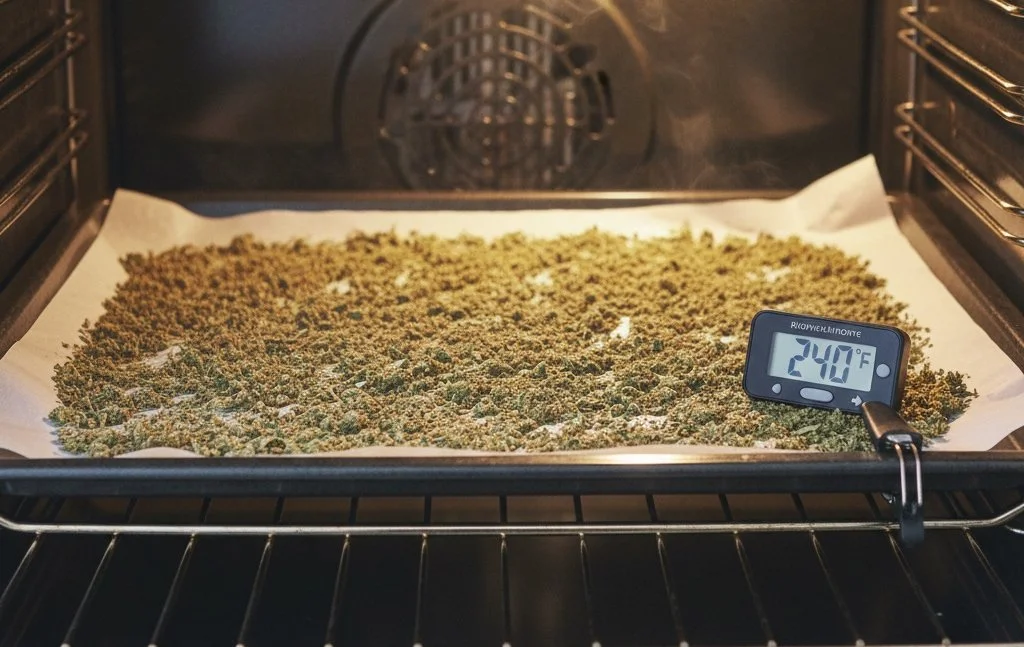
Before any infusion occurs, the cannabis must undergo activation. In its raw form, THCA is non-intoxicating. Without proper preparation, the beverage will not deliver the intended psychoactive effects.
Decarboxylation Process
Decarboxylation converts THCA into active THC through stable heating. Finely ground cannabis is typically baked at 220-240°F for approximately 40-50 minutes to activate cannabinoids.
Temperature consistency is critical. Excess heat can degrade cannabinoids and volatile terpenes, while insufficient heat may result in incomplete activation and reduced potency.
Creating a Base Infusion
After decarboxylation, THC is infused into a carrier such as oil, alcohol-based tincture, or simple syrup. These carriers allow cannabinoids to integrate more effectively into beverages.
Oil-based infusions require proper emulsification when added to water-based drinks to prevent separation. Alcohol tinctures disperse more evenly but require careful dosing.
Maintaining Potency During Preparation
Avoid prolonged exposure to high heat during infusion. Gentle, controlled temperatures preserve cannabinoid structure and reduce oxidative degradation.
Once the base infusion is complete, transfer it immediately to airtight storage to maintain chemical stability and prevent potency loss.
Why is decarboxylation essential before infusion?
Without decarboxylation, THCA remains non-psychoactive. Measured heating activates THC, ensuring the final beverage delivers predictable and measurable effects.
Step 3: Infusion Techniques for THC Beverages
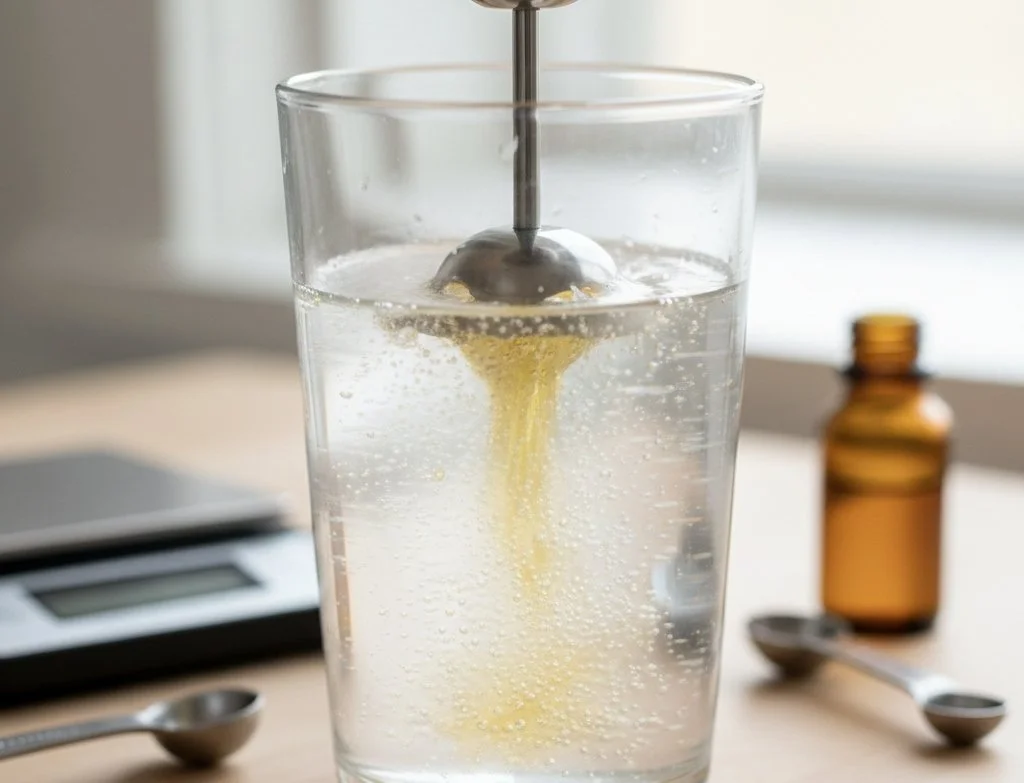
The infusion method directly influences stability, flavor integrity, and onset timing. Choosing the appropriate technique depends on whether the goal is simplicity, rapid absorption, or commercial scalability.
Heat-Activated Infusion
This traditional method involves simmering decarboxylated cannabis with a fat-based carrier such as coconut oil or butter. After infusion, the mixture is strained and cooled before integration into the beverage.
While effective, this method may produce a slower onset compared to advanced nanoemulsified systems because cannabinoids remain bound to fat molecules.
Cold Brew and Direct Tincture Addition
For coffee, tea, juices, or mocktails, adding a measured THC tincture directly into the finished beverage offers greater dosing control. This approach minimizes additional heating and protects cannabinoid structure.
Direct tincture addition is ideal for small-batch preparation and flavor preservation, as it avoids prolonged thermal exposure.
Nanoemulsion Technology
Nanoemulsion breaks THC into microscopic particles that disperse evenly in water-based liquids. This improves suspension stability and may enhance bioavailability.
Many commercial producers use nanoemulsified concentrates to create beverages with faster perceived onset and consistent milligram dosing across servings.
Which infusion method is best for beginners?
For home use, alcohol-based tincture addition offers the simplest and most controllable approach. It minimizes heating variables and allows precise drop-based dosing while maintaining beverage flavor integrity.
Dosage Precision for Responsible Consumption
Dose calibration is the primary determinant of both safety profile and psychoactive intensity. Even minor miscalculations can materially amplify psychoactive impact.
Starting Low and Scaling Gradually
For individuals new to cannabis beverages, 2-5 mg of THC per serving is widely considered a conservative starting range. This dosage allows assessment of sensitivity without overwhelming psychoactive effects.
Avoid rapid re-dosing. Effects may take 10-45 minutes to fully manifest depending on formulation and metabolism. Gradual scaling reduces the risk of acute overconsumption, anxiety, or impaired coordination.
Managing Individual Variability
THC response varies significantly between individuals. Metabolism, body composition, tolerance level, age, and frequency of use all influence absorption and intensity.
Two individuals consuming identical doses may experience markedly different psychoactive outcomes. Personal awareness and measured adjustments are essential for responsible use.
Understanding Regulatory Oversight
In regulated markets, commercial THC beverages must comply with strict rules and regulations related to potency testing, labeling accuracy, contaminant screening, and packaging requirements. Regulatory agencies may require laboratory validation of THC content per serving and per container.
Even when preparing beverages at home, responsible handling, accurate measurement, and awareness of local laws remain critical.
Why is re-dosing too quickly a common mistake?
Because beverages have delayed onset compared to inhalation, individuals may incorrectly assume the dose was insufficient and consume additional THC prematurely. Waiting for full effect onset helps prevent unintended over-intoxication.
Benefits of THC-Infused Drinks
THC-infused beverages offer functional advantages over traditional combustion-based consumption methods. Their formulation allows controlled dosing, smoke-free delivery, and versatile flavor customization.
Smoke-Free Alternative
Unlike smoking or vaping, beverages eliminate combustion exposure. This reduces potential respiratory issues associated with inhaling smoke or vaporized plant material.
For individuals seeking non-inhalation formats, drinks provide a discreet and lung-conscious option.
Controlled and Measurable Dosing
Liquid formulations allow precise milligram distribution per serving. Unlike inhalation, where dose depends on puff duration and technique, drinks provide quantifiable cannabinoid intake.
This predictability supports safer experiences, especially for individuals who prefer structured consumption limits.
Potentially Faster Onset Than Traditional Edibles
Some modern formulations suggest that the effects of THC beverages come up faster than conventional edibles. Improved dispersion technologies and nanoemulsification may allow partial absorption before full liver metabolism occurs.
However, onset timing still varies based on metabolism, stomach contents, and formulation type. Individual variability remains a determining factor.
Do THC beverages last as long as traditional edibles?
Not always. While onset may occur sooner in certain formulations, the overall duration of effects may be shorter than traditional fat-based edibles. Duration depends on dosage, formulation, and personal metabolic response.
Bring Precision and Speed to Your Cannabis Production Line
Creating THC-infused beverages requires precision, consistent dosing, and careful handling to deliver a safe and enjoyable experience. From decarboxylation to proper emulsification, every step influences potency, flavor, and consumer satisfaction. Whether you’re crafting small batches at home or scaling for commercial production, disciplined preparation ensures predictable results and reduces variability.
For producers looking to bring infused cannabis products to market efficiently, automation is the key to maintaining consistency at scale. Sorting Robotics’ innovative solutions, like the Jiko and Jiko+ infusion systems, streamline concentrate dosing, reduce labor costs, and deliver uniform product quality across hundreds or thousands of units. These systems are designed for precise, repeatable infusion, whether in pre-rolls or other cannabis formats, allowing brands to focus on growth, flavor innovation, and consumer experience.
Take your cannabis beverage or infused product line to the next level with automation that guarantees reliability and quality. Schedule a demo with Sorting Robotics today to see how our infusion technology can transform production, reduce waste, and keep every serving consistent. Visit SortingRobotics.com or call +1 (747) 298-7429 to get started.
Frequently Asked Questions
How much THC should I add to a homemade drink?
Start with 2-5 mg THC per serving. Wait at least 45-60 minutes before increasing dosage.
Do THC drinks hit faster than edibles?
Nanoemulsified beverages may produce earlier onset than traditional edibles, but timing varies individually.
Can THC separate in drinks?
Yes. Oil-based infusions may separate unless emulsified properly. Stir thoroughly before consumption.
How long do THC-infused drinks last in storage?
Shelf life depends on carrier type. Store in airtight containers away from heat and light for best stability.
Are THC beverages safer than smoking?
They eliminate combustion-related exposure but still require responsible dosing and legal compliance.