
Pinner Joint: What It Is and Why It’s Popular
Pre‑roll products are available in a range of formats, each designed to meet different use cases and preferences. Alongside standard‑sized joints, thinner and smaller options such as pinner joints have become part of modern pre‑roll offerings. Pre‑rolls continue to grow as a major segment in the cannabis market, generating over $4.1 billion in sales and nearly 394 million units sold in the U.S. between 2023 and mid‑2024, according to industry data.
A pinner joint is defined by its slim profile and reduced fill volume, making it distinct from traditional joints in both form and intended use. Understanding how pinner joints differ helps clarify why they are included in curated pre‑roll product lines.
This article focuses on the defining features of pinner joints and the role they play within modern pre‑rolled cannabis formats.
What Is a Pinner Joint?
A pinner joint is a thin pre-roll format that contains less cannabis flower than a standard joint. This format allows a cannabis strain to be used in smaller portions while maintaining the same material characteristics found in other pre-roll types.
A common misconception is that a pinner joint exists to change strength or effect. In reality, the format supports smaller, more controlled sessions. Understanding this distinction helps separate appearance from purpose and clarifies why pinners exist as a defined pre-roll option.
Here is how size, structure, and intended use define this format.
Size and Fill Compared to a Standard Joint
When compared to a standard joint, a pinner joint has a noticeably smaller diameter and reduced fill volume. Differences in rolling paper size and how material is distributed along that paper contribute to the slimmer overall profile.
Key differences typically include:
Thinner circumference along the full length
Less material is distributed evenly throughout the paper
A higher paper-to-flower ratio
These differences relate to physical scale and structure only, not to strength or effect.
Form Factor and Intended Use
The slim and elongated form of a pinner joint supports use cases where smaller portions are preferred. This format suits individual sessions or situations where a full-size joint may feel unnecessary.
Form factor matters in pre-roll formats because it influences handling, storage, and consistency. In thinner joints, uniform filling and even distribution become more important to maintain a reliable burn. For this reason, pinner joints are treated as a defined format within pre-rolled product lines rather than a variation of standard joints.
Key Characteristics of a Pinner Joint
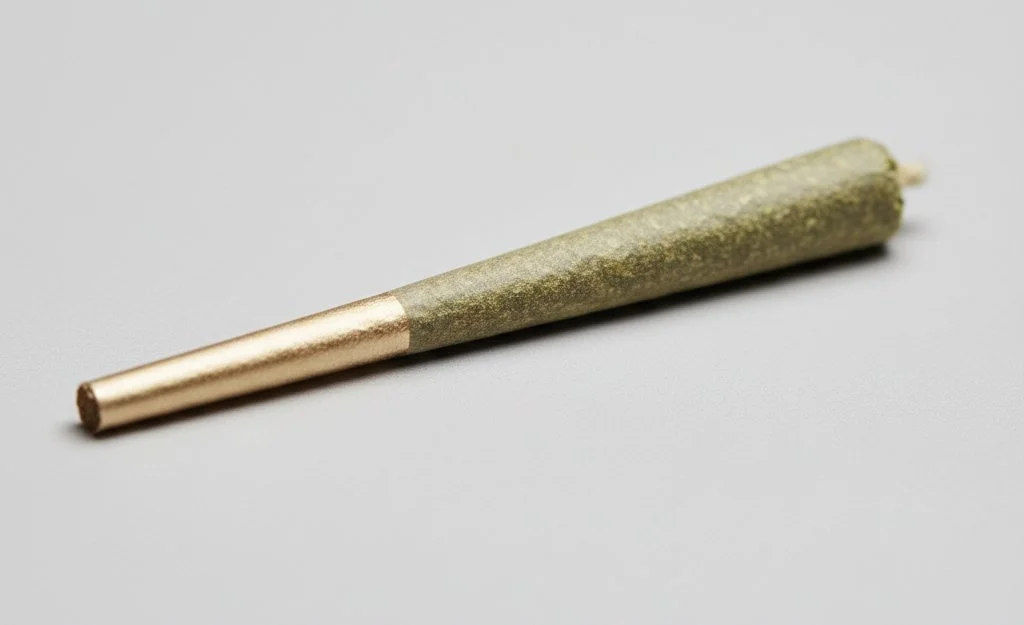
A pinner joint stands out because of its physical structure, which influences how it is rolled, handled, and included within pre-roll product formats.
Slim Shape and Overall Profile
A pinner joint is defined by its slim circumference and elongated shape. While its length may resemble a standard joint, the narrow profile gives it a distinct appearance and feel. This shape results from using less flower spread evenly along the rolling paper rather than compacting material into a wider form.
Because of this structure, pinner joints require careful rolling to maintain uniformity from end to end. The slim profile is a visual and structural characteristic, not a functional claim, and it is one of the main factors that separates pinners from other pre-roll formats.
Flower Volume Compared to Standard Joints
Compared to standard joints, pinner joints contain a lower volume of cannabis flower. This difference comes from a reduced diameter rather than a shorter length. The smaller fill supports portion control without changing the core composition of the product.
From a production perspective, consistent fill becomes more noticeable at smaller scales, as uneven distribution can affect the final result. The distinction here is based on quantity and physical layout only, not on performance or outcome. Understanding this difference helps clarify where pinner joints fit within broader pre-roll categories.
Paper to Flower Balance
Pinner joints typically have a higher paper-to-flower ratio due to their narrow design. In some formats, materials such as hemp wrap may be used, making uniform rolling and alignment especially important.
In pre-rolled formats, maintaining this balance supports consistency across units. The paper-to-flower relationship is a structural consideration that affects handling and presentation rather than experience, making it an important characteristic when defining pinner joints.
Intended Session Type
Pinner joints are generally intended for individual or single-session use. Their size aligns with situations where smaller portions are preferred, and extended sessions are not required. This intended use helps explain why pinners are treated as a separate format rather than a variation of standard joints.
Within pre-roll product lines, clearly defining session type supports accurate labeling and better consumer understanding. The format reflects practical use cases rather than any change in composition, reinforcing the idea that pinner joints are defined by form and scale.
Pinner Joint vs Standard Joint: What’s the Difference?
Although both pinner joints and standard joints belong to the same pre-rolled category, they differ in physical structure, how they are filled, and the contexts in which each format is used.
Size and Material Structure
The primary differences between a pinner joint and a standard joint appear in how each format is physically built and filled.
Key structural differences include:
Diameter: Pinner joints are narrower, standard joints are wider
Fill volume: Pinners contain less cannabis flower due to a slimmer shape
Material placement: Pinner format spreads material more lightly along the paper
These differences relate to physical build and formulation. They do not imply any effect or strength change. Each format needs consistent rolling to ensure uniform material distribution.
Typical Use Scenarios
Usage patterns vary between formats based on portion size and session context. For example:
Pinner joints tend to be chosen when smaller amounts are preferred
Standard joints are often selected for longer sessions or situations where more material is needed
Cannabis smoking remains the most common route of use among adults and accounts for about 80 % of reported consumption in survey data, with other methods like eating or vaping also prevalent. This broader context shows that smoking formats continue to be widely used across different user groups and consumption patterns.
These scenarios reflect how formats align with different preferences and settings rather than any functional advantage. Format choice often varies across joint weed types, depending on portion needs and session context.
Session Length and Burn Duration
Relative session length typically differs due to size and fill:
Pinner joints generally support shorter sessions because they contain less material
Standard joints usually enable longer sessions with more material inside
Burn duration here relates to physical size, not quality or effect. In narrow formats, uniform distribution can influence how evenly the paper and material burn, which is a logistical consideration for production and consistency.
Common Format Preferences
Preferences between pinners and standard joints often depend on situational needs:
Pinner format suits compact offerings and controlled portions
Standard format serves broader or extended sessions
Brands include both in pre-roll portfolios to address varied preferences without implying one is superior. Choosing between formats reflects the use context, planning, and presentation rather than changes to core material composition.
Why Pinner Joints Have Gained Popularity
As pre-roll offerings continue to diversify, pinner joints have become more visible within product lines designed to support different usage needs and preferences.
Preference for Smaller and More Controlled Sessions
A key factor behind the growing presence of pinner joints is the preference for smaller, more controlled sessions. Instead of committing to a full-size pre-roll, some consumers look for formats that fit shorter timeframes or defined portions. This approach may also align with individual cannabis tolerance, without implying any change in product composition.
This shift reflects broader patterns toward moderation and intentional use. Pinner joints support these preferences by offering a clearly sized format without changing the underlying materials or composition. Their appeal lies in portion clarity and predictable format, not in altering strength or performance.
Practical Design and Changing Use Habits
The physical design of pinner joints also aligns with evolving use habits and product organization needs. Their slim profile supports practical considerations across modern pre-roll assortments, including:
Compact and space-efficient storage
Easier handling within pre-roll packaging
Consistent presentation alongside other formats
As pre-roll portfolios expand, formats that balance size, organization, and clarity tend to appear more frequently. The growing use of pinner joints reflects these practical design considerations rather than any functional advantage.
Common Use Cases for Pinner Joints
Pinner joints appear in pre-roll offerings as an additional format option, typically selected where a smaller size and defined portions are more appropriate than standard joints.
Individual or Short Sessions
In some situations, a full-size pre-roll may not align with the intended length of use. Pinner joints are sometimes chosen in these cases because their smaller size naturally limits the session scope. The format supports single-person use without suggesting any change in materials, composition, or intended outcome.
Trial and Sampling Formats
Pinner joints may also be included in trial or sampling assortments. Their reduced size allows multiple formats or strains to be offered together without increasing overall quantity. In these cases, the format serves a practical role in product presentation rather than acting as a primary consumption option.
Situations Favoring Smaller Quantities
Certain settings or personal routines may call for smaller quantities. In these situations, pinner joints provide a format that aligns with limited use by design. The choice reflects portion planning and context rather than preference for a specific format feature.
Role in Curated Pre-Roll Product Lines
Within curated pre-roll product lines, pinner joints help expand format variety while maintaining clear size distinctions. Their inclusion supports organized assortments that differentiate offerings by scale. This role relates to product structure and categorization, not to performance or user experience.
Advantages and Limitations of Pinner Joints
Pinner joints present specific benefits and constraints that relate to their physical format, storage needs, and intended use rather than any change in materials or product performance.
Practical Benefits of the Pinner Joint Format
The pinner joint format offers practical advantages tied to its smaller size and defined structure. These benefits focus on portion control and product organization rather than experience or outcome.
Lower material usage per unit due to reduced fill volume
Compact size that supports easier storage and packaging
Suitable for controlled portion formats within curated pre-roll product lines
Structural Limitations of Pinner Joints
The slim structure of pinner joints also introduces limitations that stem from scale and handling requirements. These limitations relate to format design, not to quality or composition.
Not designed for shared or group use
Shorter session length because less material is present
Requires consistent rolling to reduce uneven distribution or burn issues
Consistency and Format Control in Pinner Joint Production
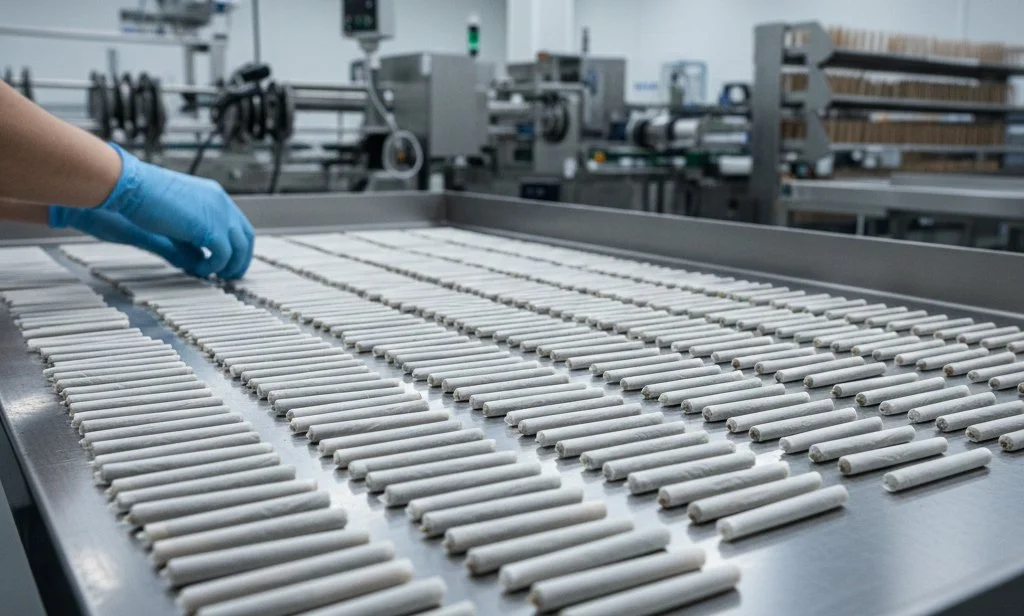
In pre-rolled formats, pinner joints require both consistent construction and clear classification to ensure reliable production, accurate labeling, and alignment within broader pre-roll product lines.
Consistency Requirements in Slim Pre-Roll Formats
Because pinner joints use a smaller diameter, maintaining uniform size and fill becomes more critical during production. Even small variations in material placement or compression are more noticeable in thinner formats. Consistent filling helps support predictable structure and reduces variability across units.
At smaller scales, production teams may face challenges such as uneven distribution or loose sections. For this reason, precision in handling and measurement plays a larger role in slim pre-roll formats than in wider joints. Automated systems, such as a pre-roll coating machine, are often referenced for their ability to support repeatable processes without altering product formulation.
Pinner Joints Within Pre-Roll Classifications
Pinner joints function as a defined pre-roll category based on size and structure rather than composition. Within broader classifications, pinner joints are distinct from formats such as dogwalkers, mini pre-rolls, and standard joints. Clear distinctions also help prevent confusion between formats like joint or spliff during labeling and product categorization.
Clear categorization supports accurate production planning and labeling by ensuring that each format is treated according to its physical specifications. When pinner joints are correctly classified, they can be integrated into curated pre-roll assortments without confusion, supporting consistency across manufacturing, packaging, and product documentation.
Establish Pinner Joints as a Defined Pre-Roll Format
Pinner joints are defined by their slim profile, reduced fill volume, and specific role within curated pre-roll assortments. Their growing presence reflects format-driven choice rather than potency, highlighting how pre-roll options continue to diversify to meet different portion sizes, session lengths, and presentation preferences.
As pre-roll formats evolve, maintaining consistency and precise classification becomes critical. Automated solutions from Sorting Robotics, such as the Stardust pre-roll coating system and Jiko infusion machines, help producers achieve repeatable results across slim formats. These systems ensure even fill, uniform structure, and reliable handling, allowing brands to scale production of pinner joints without sacrificing quality.
If you’re looking to streamline production, maintain consistent pre-roll quality, and expand your product line with well-defined formats like pinner joints, our automated solutions can make it happen. Visit Sorting Robotics or schedule a demo today to see how our technology supports precision, reliability, and growth across all your pre-roll offerings.
Frequently Asked Questions
How do pinner joints affect pre-roll packaging and presentation?
Pinner joints occupy less space due to their slim size, which can simplify packaging layout and storage. Their format supports organized presentation within multi-pack or mixed-format assortments without changing packaging materials or overall product structure.
Do thinner pre-roll formats require different quality control checks?
Thinner pre-roll formats make size and fill variation more noticeable. Quality control focuses on uniform material distribution and consistent construction, not on changing performance expectations. These checks help maintain structural consistency across smaller-format pre-rolls.
Are pinner joints treated differently for labeling or product categorization?
Pinner joints are typically categorized based on size and format rather than composition. Clear labeling helps distinguish them from other pre-roll types, supporting accurate product documentation, inventory tracking, and organized presentation within broader pre-roll offerings.
Are pinner joints the same as mini pre-rolls or dogwalkers?
Pinner joints are not the same as mini pre-rolls or dogwalkers. Each format follows different size conventions and uses contexts. Clear distinctions help prevent confusion and ensure each pre-roll type is classified according to its physical characteristics.