
What Makes Cannabis Robotics Different from Other Industries?
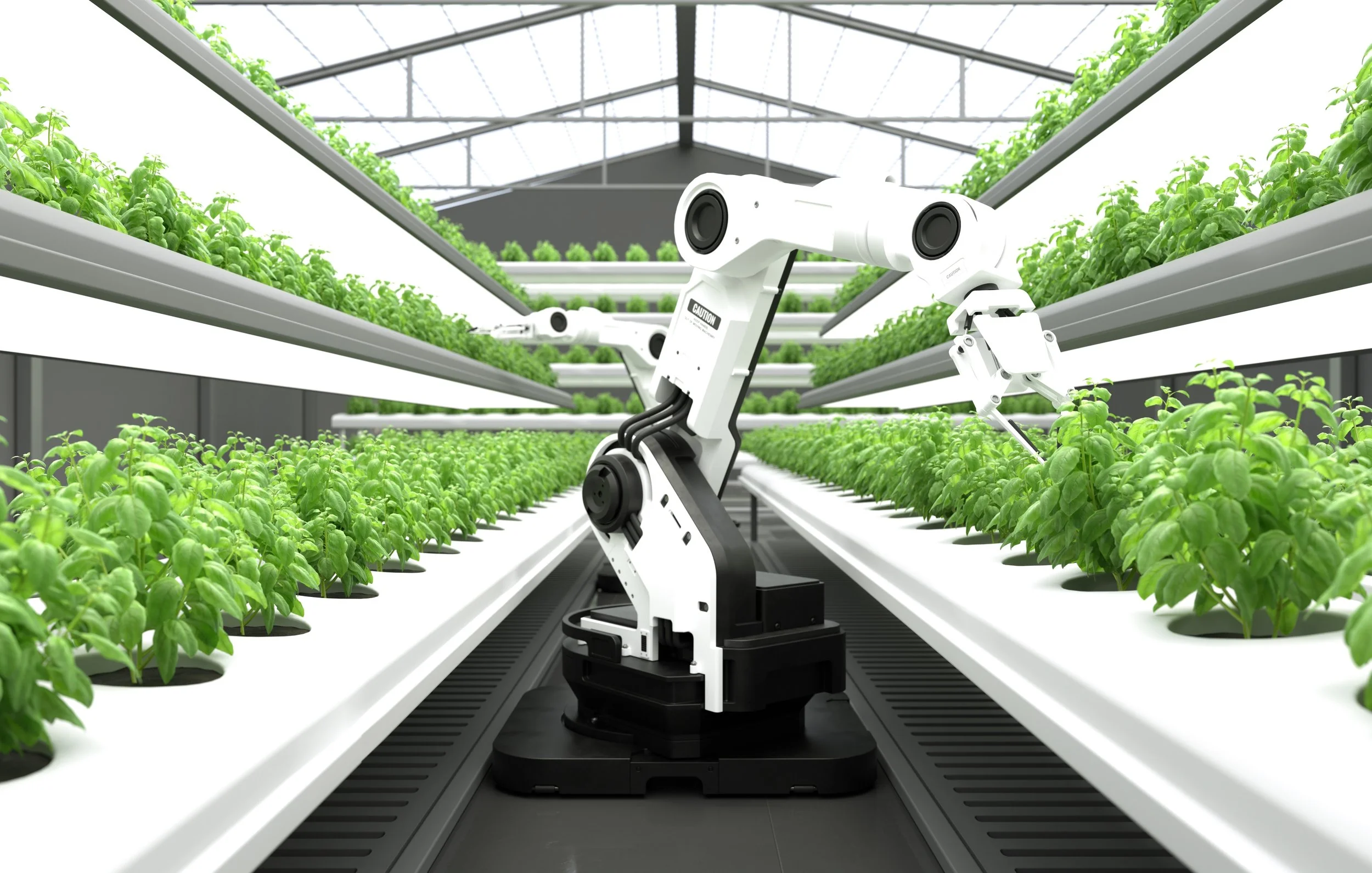
Cannabis manufacturing has entered a new era where robotics is no longer experimental; it’s essential. As consumer demand grows for infused pre-rolls, concentrates, and consistent product quality, automation has become the foundation of modern cannabis production.
Grand View Research (2024) found that the global industrial automation and control systems market is projected to grow from USD 206.33 billion in 2024 to USD 378.57 billion by 2030, driven by the adoption of robotics, AI, and real-time monitoring across industries.
However, unlike automotive or electronics manufacturing, the cannabis industry presents unique material, regulatory, and operational challenges that require robotics explicitly engineered for its workflows.
In this guide, we’ll uncover what truly makes cannabis robotics distinct, how precision, compliance, and material behavior redefine automation design, and why companies are setting new industry benchmarks.
How Cannabis Materials Shape Automation Design
At the heart of cannabis automation lies a challenge other industries rarely face: variability in organic material. Cannabis flower, concentrates, and powders behave differently in every batch, and robotics must be designed to adapt in real time.
Handling
Organic
Variability
Unlike steel or plastic parts, cannabis is inconsistent by nature. Its density, moisture content, and stickiness fluctuate between harvests and strains. Robotics designed for cannabis must manage this unpredictability with adaptable controls, real-time calibration, and material-sensing systems.
For instance, coating kief evenly on pre-rolls or infusing rosin requires precision dosing that responds instantly to temperature, humidity, and viscosity changes, tasks that generic automation can’t handle effectively.
Specialized
Tooling
and
Control
Systems
To handle cannabis materials safely and consistently, equipment must incorporate specialized nozzles, anti-stick surfaces, and temperature-controlled dosing modules. Sorting Robotics’ Jiko and Stardust systems are engineered with these needs in mind, ensuring controlled infusion and even coating with minimal waste and reduced downtime.
Why can’t standard industrial robots handle cannabis materials?
Standard robots are designed for rigid, uniform materials; cannabis is organic and sensitive, its texture, oil content, and stickiness require purpose-built sensors, controlled heat, and specialized materials to maintain precision and prevent clogging or contamination.
Why
Precision
Matters
in
Cannabis
Dosing
and
Infusion
In most industries, minor variations in weight or distribution go unnoticed. In cannabis, those same differences can alter potency, flavor, or compliance. This makes microscopic precision a non-negotiable requirement.
Dosing
Accuracy
and
Infusion
Control
Every milligram matters. A difference of 0.05 g in infused pre-rolls can change THC concentration and push a batch out of regulatory limits. Cannabis robotics must deliver near-perfect dosing precision while maintaining compliance and maximizing yield.
This is where advanced robotics excels, using calibrated pumps, temperature regulation, and precision vision systems to achieve consistent results batch after batch.
Real-Time
Monitoring
and
Quality
Feedback
In-line sensors track flow rates, temperatures, and infusion volumes in real time. The system self-corrects to maintain accuracy within microns of tolerance, something rarely required in other sectors.
This fusion of robotics and data analytics ensures that each pre-roll meets potency and consistency standards demanded by both regulators and consumers.
How
Compliance
Requirements
Influence
Cannabis
Robotics
While most industries adopt robotics for efficiency, cannabis manufacturers adopt them for survival. Stringent compliance requirements demand precision, traceability, and transparency, areas where automation excels. Robotics in cannabis manufacturing isn’t just about productivity; it’s about role of robotics in quality control, consistency, and legal facts about selling kief products in one seamless system.
Automation for Compliance and Traceability
Cannabis producers must document every critical detail, including weights, ingredients, batch numbers, and even machine IDs, to comply with local and federal regulations. Automated systems simplify this by embedding data logging and traceability directly into the production process.
Modern cannabis robotics automatically record infusion weights, coating percentages, and production rates, generating digital reports that satisfy audit and inspection requirements with minimal human input. These integrated logs not only ensure transparency but also reduce administrative workload for compliance teams.
Reducing Risk of Human Error
In traditional manufacturing, a missed entry or incorrect label can cause delays. In cannabis manufacturing, it can mean a regulatory violation, product recall, or license penalty. Robotics minimizes this risk by making every process measurable, recordable, and repeatable.
A 2025 study found that proactive automation and monitoring systems reduce downtime and operational risk by 30-50% compared to manual oversight. These findings underscore why cannabis robotics must be proactive, not reactive, using predictive systems that prevent errors before they affect compliance or production flow.
By merging automation with predictive monitoring, cannabis producers create a regulated environment that is both efficient and inspection-ready.
How does automation simplify cannabis compliance?
Automation creates a continuous digital record of dosing data, lot numbers, and machine performance. These audit-ready logs automatically satisfy state and federal reporting requirements, eliminating manual entry errors and reducing compliance risk across every batch.
Engineering Robotics for Sticky and Sensitive Cannabis Materials

Cannabis robotics engineers face a design paradox: develop systems that are durable enough for industrial use, yet gentle enough for delicate organic materials.
Material Interaction and Machine Design
Traditional robotics handles hard materials that don’t deform easily. Cannabis requires precise motion control to avoid compressing, overheating, or degrading the material. Machine tolerances must balance robustness with softness, allowing for smooth handling of flower, kief, and concentrates.
Heat and Pressure Sensitivity
Concentrates such as rosin or distillate react dramatically to heat and pressure. Cannabis robotics integrates fine-tuned thermal systems that maintain exact dosing temperatures while preserving potency, something standard industrial systems rarely need to consider.
Cleaning and Cross-Contamination Prevention
Cannabis resin and oils are sticky and require regular cleaning. Robotics must therefore use non-stick surfaces and easy-access maintenance designs to prevent residue buildup and cross-contamination between batches.
Why is cleaning design so critical in cannabis robotics?
Because cannabis concentrates can clog dosing ports or alter flavor profiles if residue remains. Easy-clean systems prevent downtime, contamination, and costly rework.
Scaling Cannabis Output While Protecting Craft Quality
Most industries treat scaling as purely quantitative. Cannabis manufacturers must scale without losing artisanal quality. Robotics makes this possible by maintaining small-batch precision at industrial speed.
Automation That Feels Handcrafted
Systems like Jiko+ replicate the precision and artistry of hand-rolled infused pre-rolls at speeds of 1,200 units per hour. Brands can maintain signature quality while meeting large-scale demand, something no other sector demands with such sensory sensitivity.
Predictable Throughput With Craft Control
By balancing robotics precision with customizable parameters, such as infusion depth, temperature, and coating density, manufacturers can replicate signature recipes consistently, regardless of volume.
How do cannabis producers maintain “craft” quality with automation?
By setting recipe parameters for dosing, coating, and heating profiles that reflect hand-crafted quality standards. Robotics repeats these precisely, preserving the craft identity at scale.
How Automation Changes Workforce Roles in Cannabis Facilities
Robotics doesn’t replace human talent; it elevates it. Cannabis facilities are shifting from manual labor to skilled technical oversight, with operators managing production intelligence rather than repetitive tasks.
The New Role of the Operator
Operators now calibrate, monitor, and analyze machine performance rather than manually filling or coating products. This change increases productivity and job satisfaction while reducing turnover.
Bridging the Skill Gap
As the cannabis industry matures, operators trained in robotics, data analysis, and maintenance become increasingly valuable. Training programs aligned with SOPs and automation best practices ensure smooth adoption and minimal downtime.
Do cannabis robots replace jobs?
No. They shift the type of work performed. Instead of manual repetition, employees focus on supervision, process optimization, and quality assurance, creating higher-value, longer-term roles.
Why Cannabis Producers Need Purpose-Built Automation Partners
Generic automation firms lack the cannabis-specific engineering insight needed to handle its materials and compliance complexities.
Purpose-Built Systems for Cannabis
Every Sorting Robotics system, from Jiko for infusion to Stardust for coating, is designed specifically for cannabis applications. These machines integrate precise thermal control, viscosity management, and data tracking tailored to the industry’s unique needs.
Proven Field Performance
Sorting Robotics machines operate in cannabis facilities across the U.S., helping brands boost throughput while reducing labor costs and maintaining craft-level quality. This proven reliability differentiates cannabis robotics from one-size-fits-all industrial automation.
What should you look for in a cannabis robotics partner?
Choose a partner that offers industry-specific experience, proven installations, integrated compliance tracking, and responsive technical support. Cannabis expertise, not just robotics, makes all the difference.
What’s Ahead for Cannabis Robotics and Automation
As automation becomes universal, the cannabis industry will continue to drive innovation. Intelligent, adaptive, and AI-driven systems will shape the next generation of cannabis manufacturing, lines that predict, learn, and self-optimize.
Predictive and Self-Adjusting Systems
Future robotics will use AI and computer vision to predict dosing deviations before they occur, automatically adjusting temperature, pressure, or speed to maintain uniform output without operator intervention.
Integration With Facility Data Ecosystems
Fully integrated production lines will connect with ERP and compliance systems, enabling plant-wide visibility into performance, maintenance, and ROI in real time.
What’s next for cannabis robotics technology?
Expect adaptive AI control, automated calibration, and predictive maintenance that allow cannabis lines to self-correct, self-report, and run continuously with minimal oversight.
Precision Built for an Industry Like No Other
Cannabis robotics stand apart because they merge two worlds: industrial precision and biological sensitivity. The industry’s combination of organic materials, strict regulations, and craft expectations has driven a new generation of future of cannabis manufacturing robotics.
Unlike generic industrial robotics, cannabis automation must balance consistency, compliance, and care, qualities that make it uniquely challenging and uniquely rewarding.
For cannabis brands ready to scale production without sacrificing quality, Sorting Robotics offers the systems and support to make that transition seamless.
Ready to see how purpose-built robotics can transform your production line? Book a demo with Sorting Robotics and experience the gold standard of cannabis automation.
Frequently Asked Questions
What’s the most significant difference between cannabis robotics and other manufacturing robots?
Cannabis robotics are designed for sensitive, variable organic materials, not rigid or uniform parts. They require precise temperature, viscosity, and dosing control.
Are cannabis robotics suitable for all product types?
Yes. Modern systems handle infused pre-rolls, coated joints, blunts, and other concentrates with recipe-driven precision.
How does automation help maintain cannabis compliance?
It automatically records dosing data, lot tracking, and process parameters, simplifying audit readiness and ensuring regulatory compliance.
Do cannabis automation systems require constant recalibration?
No. They self-calibrate periodically using internal sensors, requiring minimal manual adjustment.