
Best Adhesive Practices for Cannabis Packaging Efficiency
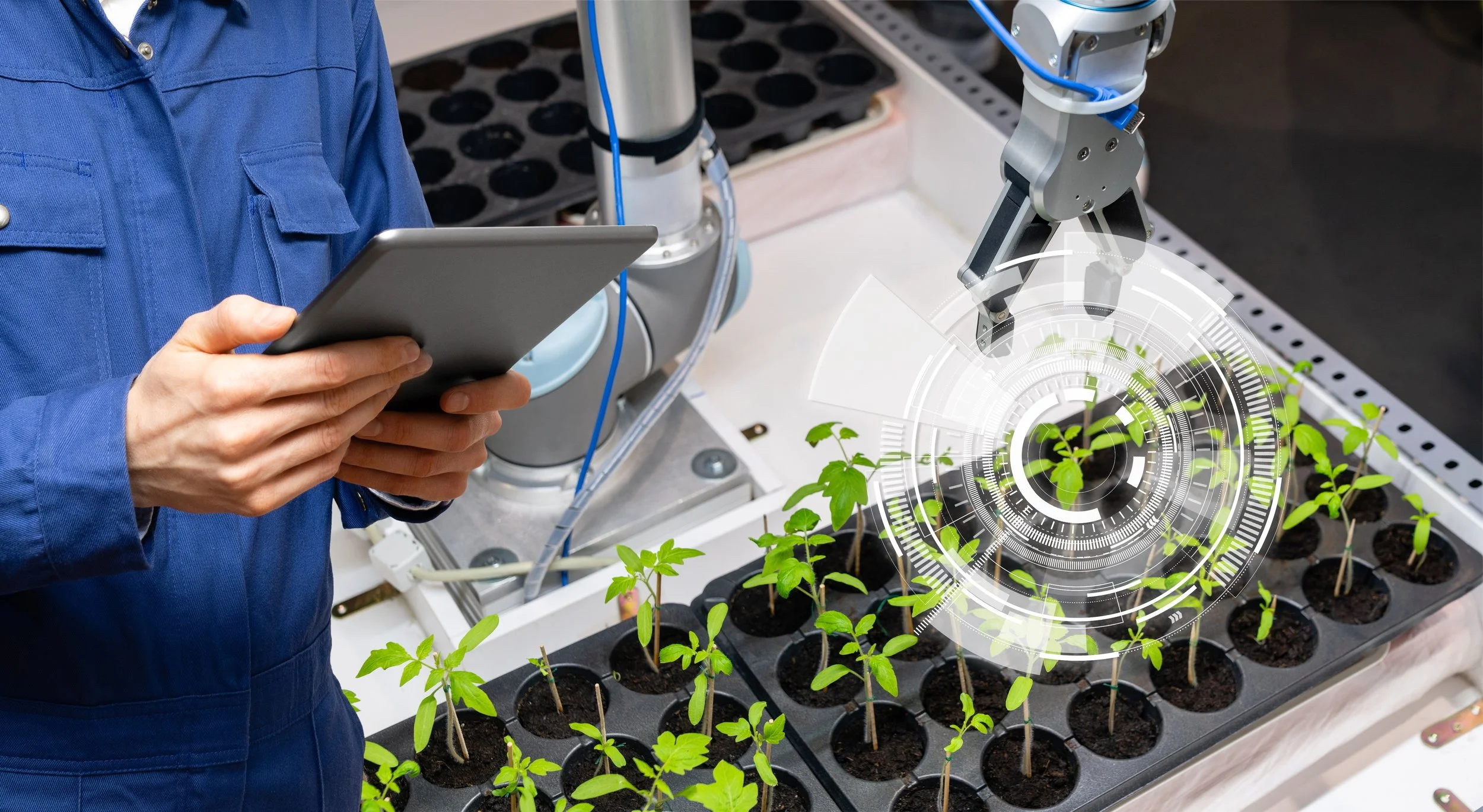
A manufacturing line is effectively only as fast as its slowest chemical reaction. While operators frequently focus on robotic cycle times, the true bottleneck often hides in the application of the adhesive itself. Learning how to optimize adhesive flow in high-speed pre-roll lines is essential for maintaining throughput, as improper settings can lead to clogs or inconsistent seals that negate the speed advantages of automation.
Best adhesive practices for cannabis packaging efficiency depend on selecting formulations with the exact shear thinning properties and cure times needed to match the rhythm of automated equipment. When engineers overlook these critical chemical variables, it results in frequent downtime and inconsistent seals that silently destroy overall equipment effectiveness.
According to Forbes, the average manufacturer confronts approximately 800 hours of equipment downtime annually, a staggering figure that underscores how critical it is to eliminate even minor inefficiencies like adhesive failure.
In this article, we examine the specific engineering realities behind these adhesive failures and how to solve them.
Identifying Common Adhesive Bottlenecks in Production
The journey to efficiency begins with a brutally honest audit of where time and material are actually lost. In many facilities, the adhesive delivery system is treated as an afterthought until it fails. However, the physics of adhesion dictate the reliability of the entire packaging line. When we analyze the root causes of downtime in automated cannabis facilities, we frequently find that glue is the primary culprit.
The Downtime Trap of Micro Stoppages
Throughput suffers not from catastrophic machine failure but from the silent accumulation of micro stoppages. A generic adhesive often clogs or jams the dispensing nozzle, forcing sensors to halt the line for cleaning. These interruptions might last only 30 seconds, but they occur dozens of times per shift when an operator stops the machine 10 times an hour to wipe a nozzle, resulting in significant lost production over a week.
The cumulative effect destroys the Overall Equipment Effectiveness metric, turning minor glue issues into major revenue leaks. Industry forecasts for 2025 from IDS-INDATA highlight that while the packaging sector often experiences shorter disruptions, typically lasting just 30 minutes to 2 hours, compared to heavy industry, the financial impact is severe.
Due to the high-throughput and low-margin nature of these lines, the cumulative losses from these frequent interruptions are projected to reach £3–5 billion in the UK alone.
Material Incompatibility and Surface Energy
A frequent engineering oversight involves the mismatch between adhesive properties and the substrate material. Cannabis packaging often utilizes diverse materials ranging from recycled ocean plastics to glass and hemp-based papers. Each of these surfaces has a different surface energy, which dictates how well a liquid can wet out and bond to it.
Trying to bond a low-surface-energy plastic with a standard water-based glue is chemically impossible without surface treatment. This leads to the problem of "phantom bonding," where the label or seal appears secure initially but pops off days later when the water content evaporates or the temperature shifts.
The Compound Cost of Poor Seals
Adhesive failure represents a compounding loss in the manufacturing process. A unit rejected due to a weak seal or a peeling label is not merely a loss of packaging material. It represents a waste of the premium cannabis flower inside and the labor hours invested in grinding and filling. The operational costs of using an inferior adhesive far exceed the price difference between a premium formulation when the value of rejected biomass is factored in.
Furthermore, there is the reputational risk. A pre-roll that unravels in a consumer's hands damages brand loyalty far more than a slightly higher price point would.
Best Practices for Selecting Cannabis Compliant Adhesives
Once the bottlenecks are identified, the solution lies in selecting a purpose-built chemical agent for the application. You cannot simply use off-the-shelf office supplies for industrial automation. The demands of high-speed robotics require adhesives with specific rheological profiles.
Matching Viscosity to Machinery
High-speed automation demands an adhesive that exhibits specific non-Newtonian behaviors. Engineers specifically look for shear-thinning properties, in which a fluid decreases in viscosity under applied stress. This characteristic allows the adhesive to flow freely through a pressurized nozzle yet instantly regain its structure once it contacts the paper substrate.
Without this trait, the glue drips between cycles, creating a buildup of residue that eventually jams the robot's delicate mechanical fingers. The viscosity curve must be matched to the pump pressure and nozzle diameter of your specific machine to ensure a clean break after every dispense. This level of technical synergy is why choosing the best pre-roll adhesive for automated production is a critical engineering decision, as the wrong formula can turn a high-speed system into a maintenance liability.
Food Safe Certifications for Consumer Safety
Purity is a non-negotiable standard in cannabis manufacturing. Many standard industrial adhesives contain volatile organic compounds that off-gas and contaminate the biomass. Using a natural, purpose-built cannabis adhesive ensures that the terpene profile remains authentic and harsh chemical odors do not compromise the consumer experience. This alignment is critical not just for performance but for regulatory adherence, as defined by the FDA's Code of Federal Regulations Title 21, Section 175.105, which strictly governs the composition of adhesives used in indirect food additives to prevent contamination. Operators should explicitly request Safety Data Sheets (SDS) from suppliers to confirm compliance with these federal standards.
Cure Time Calibration and Open Time
The adhesive's chemical reaction rate must align perfectly with the machine's mechanical cycle time. This creates a narrow window of opportunity known as the open time. If the formulation cures too rapidly, the bond makes a brittle interface before the fold is fully compressed. Conversely, a slow-curing agent forces the operator to reduce overall line speed to prevent the cone from popping open downstream.
Actual efficiency exists only when the chemical set time matches the robotic throughput speed. This synchronization allows the machine to operate at its maximum rated capacity without compromising seal integrity.
Why is it critical to use food-grade adhesives specifically for pre-roll construction?
Pre-rolls are combusted and inhaled directly by the consumer. Unlike a box label, which merely touches the adhesive in a joint, it is part of the consumption experience. Industrial glues often emit toxic fumes when burned.Selecting a natural, cannabis-specific adhesive formulation ensures that the combustion byproducts are safe and do not introduce foreign flavors or health risks to the user.
Environmental Control Standards for Consistent Bonding
Even the perfect adhesive will fail if the application environment is chaotic. Adhesives are chemical chains that are highly sensitive to their surroundings. Maintaining a stable environment is just as important as buying the right glue.
Managing Ambient Temperature Fluctuations
Industrial machinery generates significant thermal energy during prolonged operation. This heat inevitably transfers to the fluid delivery systems, altering the adhesive's physical properties. Most standard glues exhibit a sharp drop in viscosity as temperatures rise. A formulation that dispenses a clean bead at the start of a shift may become runny and uncontrollable by the afternoon.
This thermal instability forces operators to constantly recalibrate flow rates, preventing the line from running at optimal speeds. Best practices include keeping the production floor climate-controlled or using jacketed hoses to maintain the adhesive at a constant temperature regardless of ambient heat load.
Humidity and Moisture Control
Humidity is the silent killer of water-based adhesive performance. In a high-humidity environment, the water in the glue evaporates much more slowly, which effectively extends the cure time. If the machine is set to a fast cycle speed, the bond may not be fully set before the product is ejected, leading to structural failure.
Conversely, in extremely dry conditions, the glue may "skin over" the nozzle tip, leading to clogs. For paper-based products like pre-roll cones, humidity also affects the paper itself, making it more pliable or brittle, which further complicates the bonding process.
Storage Protocols for Bulk Adhesives
Adhesive degradation often happens before the container is even opened. Improper storage can cause the solid components of a suspension to settle out or "hard pack" at the bottom of the drum. Best practice dictates storing bulk adhesive in a cool and dry location away from direct sunlight.
Furthermore, stock should be rotated on a strict First In First Out (FIFO) basis. Using expired glue is a recipe for disaster, as the chemical stabilizers may have broken down, leading to unpredictable curing behavior on the line.
Can high humidity levels cause pre-roll seals to fail during transport?
Yes, high humidity can reactivate certain water-based adhesives or weaken the paper substrate. If a pre-roll absorbs moisture during transport, the paper expands. If the adhesive bond is rigid and does not expand at the same rate, the seal will shear and pop open. This is why maintaining a controlled humidity level inside the final packaging is also critical. Understanding the role of humidity in storing infused pre-rolls helps manufacturers prevent these structural failures, ensuring the product remains intact from the production line to the consumer's hand.
Optimizing Application for Infused and Coated Products
The rise of infused products has introduced a new layer of complexity to packaging efficiency. Adhering kief, diamonds, or hash to the exterior of a joint requires a completely different approach than sealing a paper cone.
The Infusion Challenge
The challenge with infusion is creating a bond that is strong enough to hold heavy concentrates but light enough to burn evenly. If you use too much binding agent, the joint becomes difficult to light and smoke. If you use too little of the valuable kief, it falls off during packaging and shipping. This requires a binding agent that has high "tack" but low film thickness.
Precision Dosing and Atomization
Manual application of binding agents is notoriously inconsistent. To improve efficiency, manufacturers must adopt automated metering systems that atomize the binder. Atomization creates a fine mist that coats the pre-roll evenly without saturating the paper.
This technique ensures that every millimeter of the surface is sticky enough to grab the kief but dry enough to prevent the paper from tearing. This level of precision reduces raw material waste and ensures consistent potency for the end user.
Temperature Modulation for Distillate Binders
When using distillate as a binding agent, temperature control becomes the primary variable. Distillate is solid at room temperature and too thin at high temperatures. Efficiency is found in maintaining the distillate at the exact "Goldilocks" temperature where it flows like honey. This allows it to be effectively sprayed or painted onto the cone. Once it hits the cooler paper and kief, it instantly firms up, creating a durable mechanical lock that holds the concentrate in place.
What is the ideal temperature range for applying distillate as a binding agent?
While it varies by strain and viscosity, the ideal application range is typically 50-65 degrees Celsius. At this range, the distillate is fluid enough to atomize or brush but not so hot that it degrades the cannabinoids or soaks too deeply into the paper filter.
Equipment Maintenance Routines for Maximum Uptime
With the chemistry selected and the application method optimized, the final variable in the efficiency equation is the mechanical health of the system itself. The most sophisticated chemical engineering in the world cannot overcome a dirty machine. To ensure consistent OEE, implement the following protocols:
Daily Cleaning Rituals: At the end of every shift, the adhesive lines must be purged or capped in accordance with the manufacturer's specifications. Leaving glue to dry in the lines is akin to letting cement harden in a mix, requiring hours of chipping and solvent soaking to fix. A simple five-minute flush procedure at the end of the day can prevent hours of downtime the following morning.
Wear Part Replacement Schedules: Nozzles, seals, and O-rings are consumable items that will inevitably wear out. The inefficient approach is to wait until they fail and leak glue all over the machine. The efficient approach is to track cycle counts and replace these cheap parts proactively. Replacing a five-dollar seal during a scheduled break is infinitely better than shutting down the line for an hour during a rush order.
Operator Training and Troubleshooting: Operators should be trained to distinguish between mechanical failure and a chemical setup issue. Often, an operator will increase pump pressure to compensate for a clogged nozzle, which only worsens the problem. Training staff to identify visual signs of poor adhesion (stringing, beading, air gaps) allows them to adjust parameters early, maintaining high OEE without waiting for a technician.
How often should adhesive dispensing lines be flushed to maintain accuracy?
For high-volume production utilizing water-based glues, a light flush is recommended at the end of every shift. For solvent-based or hot-melt systems, a complete system purge should be conducted weekly or whenever the machine sits idle for more than forty-eight hours. This prevents cross-linking and char buildup inside the heated hoses.
Adhesive Troubleshooting Guide
When preventative measures are insufficient, and issues arise on the line, consult the following diagnostic matrix to distinguish between mechanical faults and chemical incompatibilities.
| Problem Symptom | Probable Chemical Cause | Recommended Solution |
|---|---|---|
| Stringing/Cobwebs | Viscosity too high; insufficient shear thinning. | Increase the temperature slightly (if using hot melt) or switch to a high-shear formulation. Check nozzle distance. |
| Pop Opens | Open time too short; glue dried before compression. | Increase line speed or switch to a slower curing formula. Check for high ambient temperature/airflow. |
| Soak Through | Viscosity too low; paper too porous. | Use a higher solids content adhesive. Reduce pump pressure to apply a thinner bead. |
| Nozzle Clogging | Glue drying in the tip; contamination. | Implement more frequent purge cycles. Check the cap seal integrity during downtime. |
| Weak Bond (Cold) | Adhesive becomes brittle at low temperatures. | Switch to a formulation with a lower glass transition temperature (Tg) for flexibility. |
| Odor on Product | Volatile compounds in the adhesive. | Switch to a certified food-safe, solvent-free adhesive immediately. |
Engineer Your Way to Zero Downtime
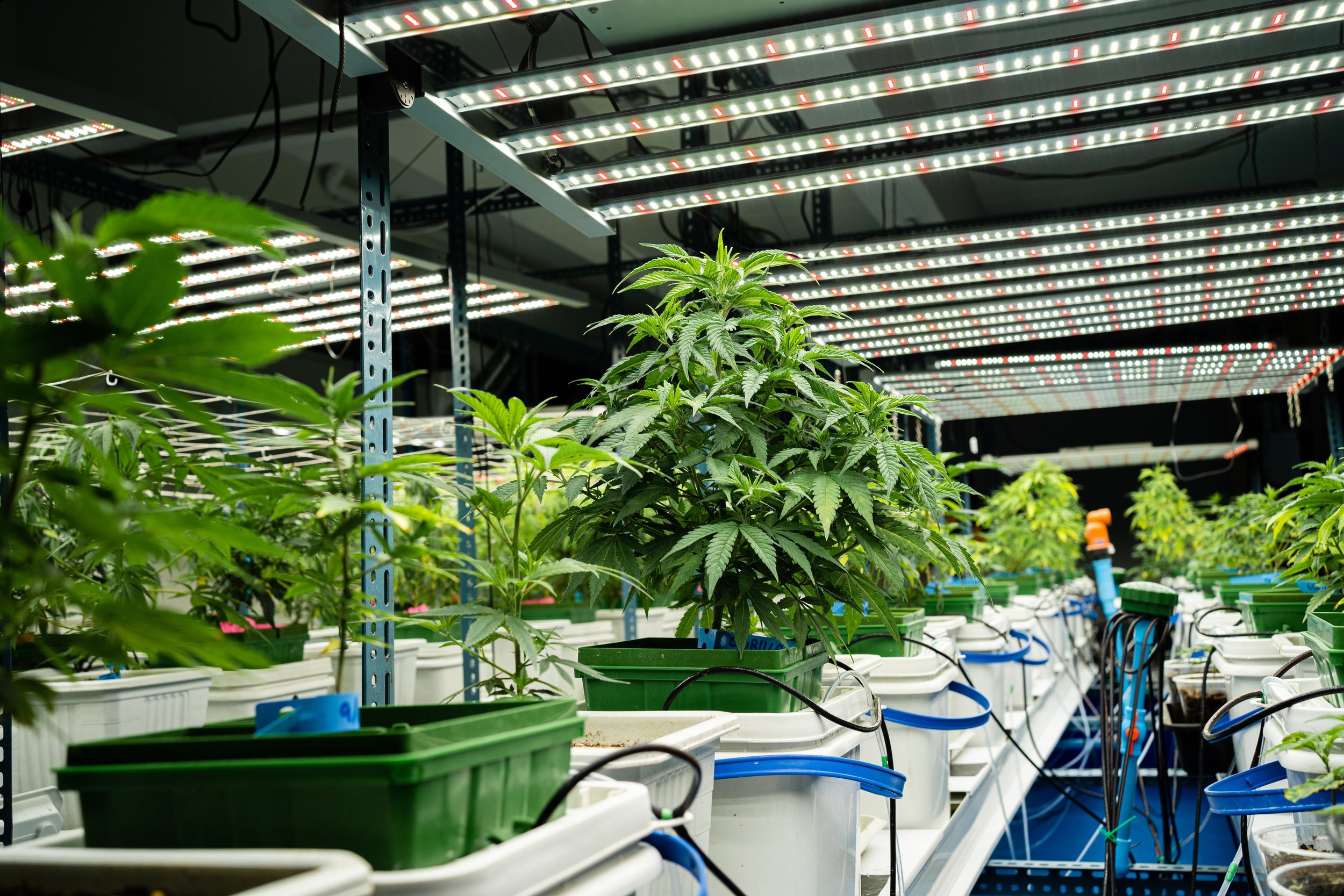
Actual packaging efficiency demands more than just faster robots. It requires the synthesis of chemical engineering and disciplined maintenance. Treating adhesive selection as a critical engineering decision rather than a commodity purchase eliminates a persistent source of downtime. Shifting to industrial cannabis specific consumables is the final step in modernizing production.
Eliminate the variables of viscosity and purity from your production equation with Sorting Robotics. Our specialized solutions, like MoonGlue, are purpose-built to meet the shear-thinning requirements of high-speed automation, ensuring your line runs faster, cleaner, and with zero waste. Don't let a penny of glue cost you a dollar of profit.
Ready to stop the leaks in your revenue? Upgrade to MoonGlue today and turn your packaging line into a precision instrument.
Frequently Asked Questions
What are the signs that my adhesive viscosity is incorrect for my machine?
The most common signs include "stringing" or "angel hair" forming between the nozzle and the product as the machine pulls away. This indicates the viscosity is too high or the shear-thinning capability is insufficient. Conversely, if you see "drooling" from the nozzle when the machine is idle or if the glue soaks through the paper and stains the outside of the cone, the viscosity is likely too low.
Can I use the same adhesive for paper cones and glass tips?
Generally no. Paper is porous and absorbs adhesive to create a mechanical bond. Glass is non-porous and smooth, which requires an adhesive with higher tack and specific adhesion promoters to stick. While some hybrid formulations exist, it is best practice to use an adhesive formulated for the particular substrate you are bonding to ensure a tamper-evident seal.
How does altitude affect adhesive curing in cannabis packaging?
Altitude affects the boiling point of water and the evaporation rate of solvents. In high altitude facilities like those in Denver, the water in an adhesive formulation will evaporate faster than at sea level. This effectively shortens the open time of the glue. Operators at high elevation may need to increase the flow rate or shorten the distance between the glue station and the compression station to compensate for this rapid drying.
Is it necessary to heat water-based adhesives?
Heating water-based adhesives is generally not recommended, as it can prematurely drive off the water content and alter the viscosity balance. However, maintaining the adhesive at a stable room temperature (around 20 to 25 degrees Celsius) is vital. If the glue is stored in a cold warehouse, it should be brought to temperature before being placed in the machine to ensure it flows smoothly.
Why do my labels peel off after the product has been refrigerated?
This is a classic issue of condensation and thermal contraction. As the package cools, the material creates condensation, which can attack the adhesive interface. Additionally, the plastic container may shrink slightly in the cold. If the adhesive becomes brittle at low temperatures, it cannot flex with the shrinking container, and the bond snaps. You must select an adhesive with a wide service temperature range that remains flexible in cold storage conditions.