
Why Robotics Are Revolutionizing Cannabis Extraction Processes
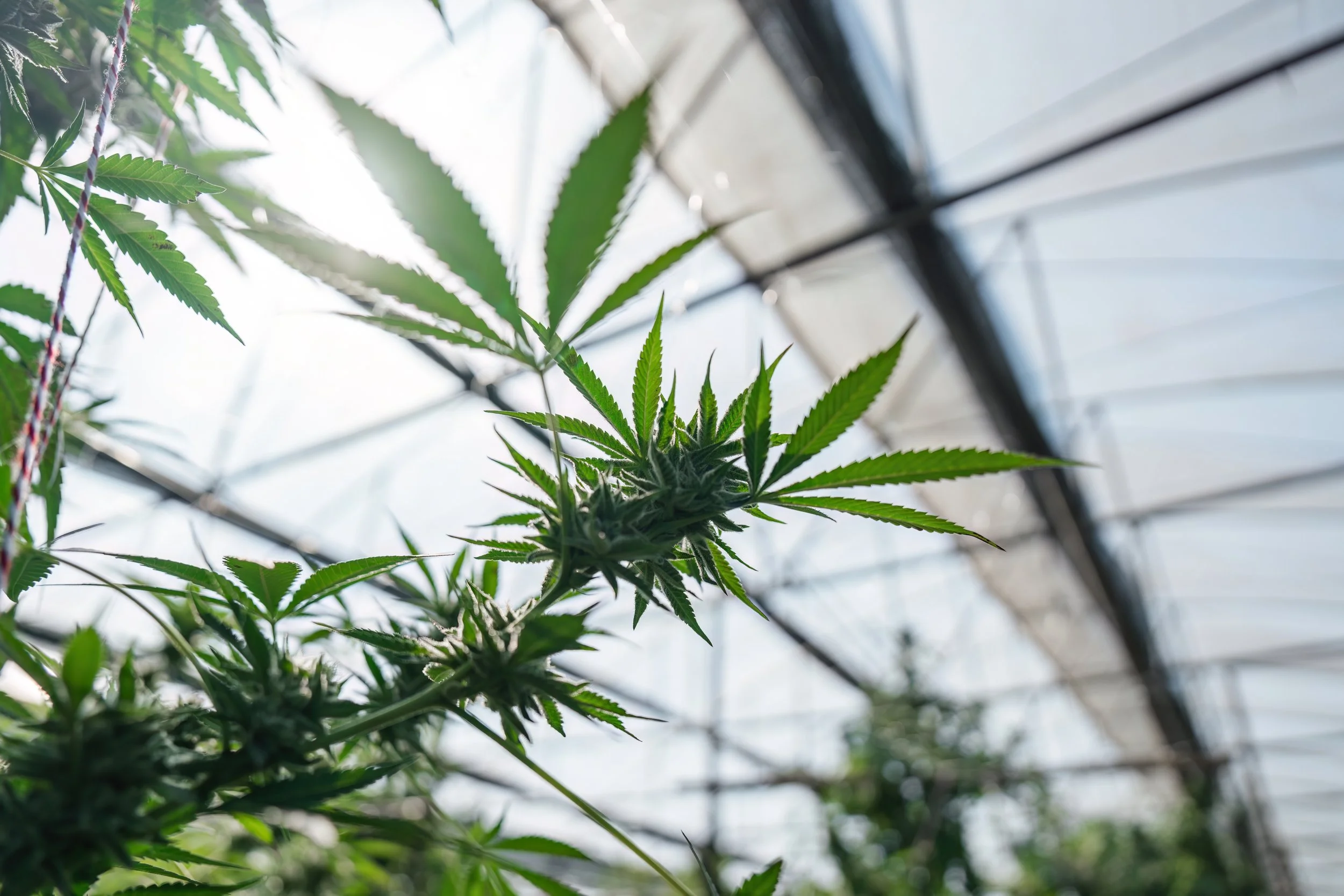
The cannabis extraction floor is undergoing a rapid transformation as robotics replaces many of the slow, repetitive, and error-prone tasks traditionally handled by humans. Automated systems now manage precision dosing, material transfer, and concentrate handling with a level of uniformity that manual workflows struggle to match.
A validated robotic sample-preparation system (ePrep) demonstrated a THCA extraction efficiency of 99.1% compared to a regulated (GMP) manual method, with an average RSD of just 1.2%, evidence of near-identical recovery and exceptional reproducibility in automated workflows. This level of accuracy is driving extraction labs to adopt robotics not just for convenience but for operational resilience.
Automation reduces contamination risks, stabilizes batch quality, and eliminates bottlenecks created by labor-heavy processes. As demand rises and compliance requirements tighten, robotics provides the precision, throughput, and consistency modern extraction environments need to scale efficiently while maintaining strict quality standards. This evolution is central to the future of cannabis manufacturing robotics and AI integration, where high-speed production and regulatory compliance become a single, unified process.
How Robotics Enhances Accuracy in Cannabis Extraction Processes
Accuracy is the backbone of any reliable extraction workflow. Small inconsistencies in solvent volume, timing, pressure, or biomass handling can shift potency levels, reduce yield, or alter terpene profiles. Robotics helps solve these gaps by standardizing the steps that are hardest for humans to repeat with the same precision every time.
Precision Material Handling
Robotic handling systems measure, weigh, and load biomass with consistent placement and density. This prevents channelling, a common issue where solvent flows unevenly through the material. When biomass is packed uniformly, extraction efficiency rises, and batch-to-batch potency becomes more predictable.
Controlled Solvent Dosing
Automated solvent dosing ensures every run starts with the exact ratio of solvent to plant material. Even slight variations can weaken extraction strength or cause excessive dilution. Robotics monitor the volume in real time, adjusts the feed rate, and ensures vessels never overfill. This level of accuracy stabilizes cannabinoid recovery and reduces waste.
Stable Temperature Management
Extraction depends heavily on tight temperature control, especially with CO₂ and cold-ethanol methods. Robotic temperature systems react instantly to fluctuations by adjusting coolant flow or chamber pressure. This prevents thermal swings that degrade terpenes and sensitive cannabinoids. The result is a cleaner flavor and stronger chemical preservation.
Repeatable Cycle Timing
Robotics follow exact parameters for soak duration, agitation intervals, pump cycles, and pressure stages. These micro-timings are difficult for manual operators to maintain consistently. By automating them, you get smoother extraction curves, fewer stalled runs, and far more predictable potency outcomes across every batch.
Do robotics really make extraction accuracy better?
Yes. Robotics control dosing, timing, handling, and temperature with repeatability that manual workflows can’t match, leading to more consistent yields and cleaner extracts.
Key Advantages of Using Automation in Cannabis Extraction Processes
Robotics are transforming cannabis extraction by automating precise, repetitive tasks that are difficult to perform consistently by hand. This automation not only speeds up production but also improves safety by reducing human exposure to hazardous materials. As the cannabis market grows, incorporating robotics is becoming essential for scaling operations efficiently and maintaining product quality. Understanding how custom robotics enhance cannabis trimming and processing efficiency provides a clear roadmap for operators looking to replace manual labor with high-speed, automated precision.
Boosted Production Efficiency
Robots can operate continuously without fatigue, handling multiple extraction stages simultaneously. This reduces bottlenecks and increases the volume of cannabis extracts produced daily. Automated extraction lines also reduce human error, meaning less downtime and lower costs from mistakes or rework.
Improved Product Consistency
Consistent extraction conditions, like temperature, pressure, and solvent flow, are critical to producing uniform cannabinoid and terpene profiles. Robotics provide precise, repeatable control of these variables, ensuring each batch matches quality standards. This consistency helps build consumer trust and brand reputation.
Enhanced Worker Safety
Cannabis extraction often involves volatile solvents and heavy machinery, posing safety risks. Robotics minimize human involvement in these dangerous steps, reducing accidents and exposure to harmful chemicals. This leads to safer working environments and helps companies comply with strict safety regulations.
How do robotics improve safety in cannabis extraction?
By automating hazardous tasks, robotics reduces direct human exposure to solvents and equipment, lowering risks of accidents, chemical spills, and inhalation of toxic fumes.
How Automation Enhances Safety and Reduces Risks in Cannabis Extraction
Automation steps in where human error, fatigue, and inconsistent judgment often create safety gaps. Extraction environments involve pressure swings, volatile solvents, and precise mechanical systems; robotics help stabilize all of them and keep operations safer.
Minimized Exposure to Volatile Solvents
Robotic systems take over tasks that normally put operators close to ethanol, hydrocarbons, and CO₂ vessels. By automating loading, solvent transfer, and drainage cycles, workers aren’t directly exposed to fumes or accidental overflows. This reduces respiratory risks and lowers the chance of high-severity accidents.
Consistent Pressure Regulation
Pressure fluctuations are a major source of extraction failures. Automated regulators track PSI in real time and make micro-adjustments before instability becomes dangerous. This is especially critical in supercritical CO₂ extraction, where small deviations can cause sudden system faults or compromised output.
Automated Shutdown and Emergency Response
Robotics come equipped with programmed triggers, temperature spikes, leaks, abnormal vibrations, or pressure surges that automatically activate shutdown protocols. Humans can miss or react late to these signs. Automation shuts the system down instantly, protecting operators and equipment.
Reduced Cross-Contamination Risks
Automated pathways reduce unnecessary contact with open material. Biomass loading, solvent recovery, and extract transfer happen with sealed systems and robotic control. This limits contamination from dust, oils, or microbes and keeps extract purity within compliance standards.
How does automation improve safety in cannabis extraction?
Automation reduces operator exposure to solvents, stabilizes pressure control, reacts instantly to system abnormalities, and limits contamination, all of which lower safety risks significantly.
Increasing Cannabis Extraction Efficiency Through Robotics
Robotics not only make cannabis extraction safer but also streamlines the process to get more done in less time. They handle repetitive, precise tasks faster and without the fatigue or variation humans experience, which is a big win for efficiency.
Precision Timing and Control
Extraction cycles often depend on exact timing for solvent flow, temperature holds, and depressurization phases. Robots execute these steps with second-level precision, ensuring each batch gets the optimal treatment without delays or guesswork. This reduces waste and improves yield consistency.
Continuous Operation Capabilities
Unlike humans, robots don’t need breaks. They can run extraction lines 24/7, allowing operators to focus on quality control and troubleshooting. This continuous operation maximizes throughput and makes scaling easier.
Integrated Data Collection for Optimization
Modern extraction robots collect real-time data on pressures, temperatures, solvent volumes, and output quality. This information feeds into software dashboards that help operators refine processes, identify bottlenecks, and predict maintenance needs, making operations smarter over time. Comprehensive monitoring optimization kpis dashboards maintenance systems allow facility managers to visualize this data instantly, ensuring that small deviations are corrected before they impact the final product quality.
Less Manual Handling, More Automation
Robotic arms and conveyors automate biomass loading and unloading, solvent refills, and extract packaging prep. Reducing manual steps not only speeds things up but lowers human error rates that can disrupt the extraction flow.
Can robotics increase cannabis extraction yields?
Yes, by precisely controlling extraction parameters and reducing downtime, robotics help improve both yield and product consistency.
Robotics Technology Improving Safety Standards in Cannabis Extraction
Extraction involves handling volatile chemicals and high-pressure systems, both of which pose serious safety risks. Integrating robotics into these processes significantly improves workplace safety by reducing direct human involvement in hazardous tasks and ensuring precise control over equipment.
Reducing Human Exposure to Hazardous Chemicals
Robots can perform repetitive tasks involving solvents such as butane, ethanol, or supercritical CO2, chemicals that are flammable, toxic, or both. By automating solvent handling and transfer, robotics limits human exposure to these dangerous substances, reducing health risks and the potential for accidental spills or inhalation.
Managing High-Pressure Extraction Equipment Safely
Extraction methods often require pressurized chambers operating at specific temperatures and pressures. Robots provide consistent, exact control over these variables, preventing dangerous pressure fluctuations, leaks, or equipment malfunctions. This reduces the chances of explosions or operator injuries that can occur with manual handling.
Maintaining Sterile and Clean Extraction Environments
Frequent and thorough cleaning of extraction equipment is critical to prevent contamination and comply with strict regulatory standards. Robots programmed for sterilization cycles clean hard-to-reach areas more reliably and regularly than manual methods, enhancing both product quality and operator safety by reducing exposure to contaminants.
Automated Emergency Detection and Response
Advanced robotic systems can include sensors to monitor extraction parameters continuously and detect anomalies like gas leaks, temperature spikes, or equipment faults. When such issues arise, automated shutdown protocols and alerts activate immediately, minimizing damage and preventing accidents before they escalate. Integrating must-have safety features in modern equipment ensures that these high-speed systems remain protected against mechanical failures, providing a critical layer of security for both the machinery and the facility personnel.
How do robots improve safety in cannabis extraction?
Robotics reduces human exposure to hazardous chemicals, provides precise control over high-pressure systems, maintains sterile environments, and automates emergency responses, making cannabis extraction safer and more reliable.
How Robotics Boosts Efficiency and Consistency in Cannabis Extraction
Robotics isn’t just about safety, it’s a game-changer for extraction efficiency and consistency, two critical factors in scaling cannabis production. Automating complex steps cuts down errors and speeds up workflows, helping producers meet demand without compromising quality.
Streamlining Repetitive Extraction Tasks
Many extraction processes involve repetitive actions like loading raw material, controlling solvent flow, or transferring extracts between stages. Robots excel at performing these tasks with precision and speed, freeing up human operators to focus on monitoring and quality control instead.
Enhancing Process Accuracy and Reproducibility
Robotic systems operate with programmed precision, maintaining exact timing, temperature, and pressure settings throughout extraction. In a recent peer-reviewed study, researchers developed a fully automated electrostatic separator that isolates cannabis trichomes by exploiting their electric charge, achieving 80–95% purity in a single pass and up to 98% with repeated cycles. This consistency reduces batch-to-batch variability, ensuring each extract matches product standards, vital for medicinal cannabis, where uniformity is key.
Increasing Throughput Without Sacrificing Quality
By optimizing workflows and minimizing downtime, robotics enables higher production volumes. Automated systems can run longer shifts with fewer breaks, delivering more extract per day and helping businesses scale efficiently while maintaining product integrity.
Simplifying Complex Multi-Step Procedures
Some extraction methods require several steps, solvent recovery, winterization, filtration, and more. Robots can seamlessly integrate these stages, coordinating equipment changes and sample handling automatically, which cuts manual errors and keeps the process flowing smoothly.
How do robots improve efficiency in cannabis extraction?
They automate repetitive tasks, maintain precise control over extraction parameters, increase production volume, and simplify complex multi-step workflows for consistent, high-quality output.
Safer and More Compliant Cannabis Extraction Through Automation
In the cannabis extraction industry, safety and regulatory compliance are absolutely crucial. Robotics brings a new level of protection by minimizing human exposure to dangerous chemicals and ensuring strict adherence to industry standards and legal requirements.
Minimizing Human Contact with Hazardous Chemicals
Extraction processes often involve solvents like butane or ethanol, highly flammable and potentially harmful if mishandled. By automating these steps, robots reduce the risk of accidents, chemical exposure, and health hazards for workers, making the workspace safer.
Improving Process Monitoring and Data Logging
Robotic systems come equipped with sensors and software that track every detail during extraction, from chemical volumes to temperature and pressure controls. This real-time data collection ensures the process stays within safe limits and provides precise documentation for audits and inspections.
Reducing Contamination and Ensuring Product Purity
Manual handling increases the chance of introducing contaminants, which can compromise product quality. Robots operate in tightly controlled, sterile environments and limit human contact, helping maintain product purity and consistency in every batch.
Simplifying Regulatory Compliance and Traceability
Cannabis regulations require detailed records of each batch’s extraction parameters. Robotics automate this documentation, making compliance easier and less prone to errors. This reduces the risk of fines, legal challenges, and production delays.
How do robotics improve safety and compliance in cannabis extraction?
Robotics limits worker exposure to hazardous chemicals, automates data logging for accuracy, reduces contamination risks, and helps companies meet stringent regulatory standards effectively.
How Automated Systems Elevate Safety and Compliance in Cannabis Extraction
Robotic technology is transforming cannabis extraction by speeding up production, improving precision, and ensuring consistent product quality, all while lowering labor costs and reducing human error.
Increasing Throughput with Automated Systems
Robotic extraction machines can work non-stop, handling repetitive and time-consuming tasks faster than manual labor. This constant operation boosts throughput, enabling cannabis processors to meet increasing market demand without compromising on speed or quality.
Precise Monitoring and Control of Extraction Variables
Robotics integrate sensors and software to tightly control key extraction parameters like temperature, pressure, and solvent flow rates. This precise monitoring optimizes the extraction process, maximizing cannabinoid and terpene yields while reducing the risk of contamination or degradation.
Ensuring Consistent Quality Across Batches
Manual extraction often leads to variability, but robotics minimize this by delivering uniform conditions for every batch. Consistency in potency, flavor, and appearance enhances consumer trust and supports regulatory compliance.
Lowering Labor Costs and Minimizing Errors
By automating repetitive tasks, robotics reduces the need for extensive manual labor, which can be costly and error-prone. This shift frees skilled workers to focus on supervision and quality assurance, improving overall operational efficiency. Understanding how pick and pack robots reduce human labor costs is essential for producers who want to calculate their potential return on investment while improving the accuracy of their final packaging stages.
How do robotics improve cannabis extraction efficiency?
Robotics enable continuous, high-speed operation with precise control over extraction settings, ensuring consistent quality and reducing labor costs by automating repetitive tasks.
Essential Robotics Technologies Transforming Cannabis Extraction Processes
Robotics in cannabis extraction isn’t just about one tool, it’s a combination of advanced technologies working in sync to boost efficiency, safety, and product quality. Here’s a closer look at the main robotics systems driving this change.
Automated Solvent Handling Systems
These systems precisely measure, deliver, and recycle solvents like CO2 or ethanol used in extraction. By automating solvent flow and recovery, they minimize waste and reduce exposure risks, ensuring safer operations. This control also leads to consistent solvent ratios, which improves extraction efficiency and product purity.
Robotic Arms and Manipulators
Robotic arms perform critical tasks such as loading raw cannabis biomass into extraction chambers, moving materials between processing stages, and packaging finished extracts. Their precision reduces damage to fragile plant material, cuts contamination risk, and speeds up repetitive manual tasks that can slow down production.
Integrated Sensors Coupled with AI for Real-Time Monitoring
Advanced sensors track key parameters like temperature, pressure, solvent concentration, and humidity throughout the extraction process. When combined with AI-powered systems, these sensors allow real-time adjustments to optimize yield and potency without needing constant human oversight. This results in more consistent product quality and less operator error.
Conveyor Systems and Automated Sorting
Robotics-driven conveyors move materials seamlessly from one extraction phase to the next, eliminating bottlenecks caused by manual handling. Automated sorting machines analyze extracted product characteristics, such as cannabinoid content or moisture levels, to classify and separate batches efficiently, enhancing quality control and throughput.
Data Analytics and Compliance Reporting Software
Extraction robotics platforms typically include data collection and analysis tools. This software tracks process variables and production metrics, helping operators identify inefficiencies and maintain regulatory compliance. Detailed reporting also supports traceability, essential in today’s highly regulated cannabis market.
What types of robotics technology are used in cannabis extraction?
Key technologies include automated solvent management, robotic arms for material handling, AI-driven sensors for process control, conveyor and sorting automation, and data analytics software that enhances efficiency and compliance.
Overcoming Challenges When Integrating Robotics in Cannabis Extraction

While robotics offer clear advantages, transitioning to automated extraction systems requires planning to overcome initial hurdles. Recognizing challenges like upfront investment, staff training, and integration issues helps businesses prepare for a smooth adoption process. Addressing these factors early on maximizes the benefits of robotics.
High Initial Investment Costs
Purchasing and installing advanced robotics involves substantial capital outlay, including hardware, software, and possible facility modifications. However, these costs are balanced by long-term savings from reduced labor, minimized waste, and improved production speed.
Training and Skill Requirements
Operators and maintenance teams need specialized training to manage robotic systems effectively. Investing in comprehensive training programs ensures employees can troubleshoot, maintain, and optimize the equipment, preventing costly downtime.
Integration with Existing Systems
Robotic extraction equipment must seamlessly interface with current processes, which can be technically challenging. Careful planning, compatibility checks, and support from experienced vendors are vital to ensuring smooth integration without disrupting production.
What are the common challenges when adding robotics to extraction lines?
Typical challenges include managing costs, training staff to use new technology, and ensuring robotic systems work well with existing extraction equipment and workflows.
Emerging Trends Shaping the Future of Cannabis Extraction Automation
The cannabis extraction field is on the brink of further transformation with advancements in AI and machine learning. These technologies will make robotic systems smarter, more adaptive, and sustainable. Staying informed about emerging trends allows businesses to maintain a competitive edge and improve operational efficiency.
AI-Driven Predictive Maintenance
Artificial intelligence can analyze equipment data in real time to predict when parts need maintenance or replacement. This proactive approach reduces unexpected breakdowns, keeps extraction lines running longer, and lowers repair costs.
Enhanced Automation with Machine Learning
Machine learning enables robotics to analyze extraction outcomes and self-optimize parameters such as temperature and pressure. This adaptive automation improves product yield and consistency while reducing manual oversight.
Sustainable Extraction Practices
Robotics will increasingly focus on environmentally friendly methods, reducing solvent usage, optimizing energy consumption, and minimizing waste. These improvements support sustainable production goals and regulatory compliance.
How will AI impact cannabis extraction robotics?
AI will boost automation by enabling real-time monitoring and self-adjustment of extraction processes, improving product quality and operational efficiency while reducing downtime.
Embrace Robotics for Smarter Cannabis Extraction Today
Robotics is reshaping cannabis extraction, making it safer, faster, and more consistent than ever before. By automating key tasks, from solvent handling to quality control, you can boost efficiency, protect your team, and deliver top-quality products your customers trust.
While upfront investment and training take effort, the long-term gains in scalability, cost savings, and compliance are worth it.
Explore advanced cannabis automation machines, custom robotics integration, and expert guidance at SortingRobotics.com and start transforming your cannabis production line today.
Frequently Asked Questions
How does automation improve cannabis extraction efficiency?
Automation enhances cannabis extraction efficiency by streamlining processes, reducing manual labor, and maintaining precise control over extraction variables. This leads to faster processing times, higher throughput, and consistent product quality in every batch.
What safety benefits come from automating cannabis extraction processes?
Automating cannabis extraction improves safety by minimizing human exposure to hazardous solvents and high-pressure equipment. It reduces the risk of workplace accidents and helps cannabis producers comply with strict industry safety regulations.
Can automated cannabis extraction systems ensure product consistency?
Yes, automated cannabis extraction systems guarantee product consistency by controlling extraction parameters with high precision. This results in uniform cannabinoid profiles, consistent potency, and reliable quality across all extraction batches.
How does automation affect the cost of cannabis extraction?
Automation may require upfront investment, but it significantly reduces operational costs over time. It lowers labor expenses, minimizes waste, improves extraction yield, and increases overall production efficiency in cannabis extraction.
Are automated extraction systems easy to integrate into existing cannabis facilities?
Modern automated cannabis extraction systems are designed for easy integration into existing setups. They offer scalable and flexible solutions that fit different facility sizes and can streamline current extraction workflows efficiently.