
How to Infuse Chips With THC for a Savory Cannabis Snack
Infusing chips with THC involves coating or baking your favorite snack with cannabis-infused oil, butter, or tincture after a proper decarboxylation step. The result is a savory, crunchy edible that offers a discreet and customizable way to consume cannabis without smoking or vaping.
According to data published in the American Journal of Public Health and archived by the National Institutes of Health, edible consumption among cannabis users in the United States is on the rise, with eating and drinking cannabis identified as an increasingly prevalent mode of use alongside vaping.
Savory options like THC-infused chips tap directly into that growing demand by giving consumers an alternative to the sugar-heavy gummies and chocolates that dominate dispensary shelves.
This guide walks you through every step of the process, from choosing the right strain and chip base to mastering decarboxylation, selecting your infusion method, and dosing safely. Whether you are making a small batch for personal use or exploring how this category fits into the larger edibles market, the process starts with understanding the fundamentals.
What Does It Mean to Infuse Chips With THC
At its core, infusing chips with THC means introducing activated cannabis compounds into a snack through a fat-based carrier like oil or butter. THC is fat-soluble, which means it binds well to lipids. When you apply cannabis-infused oil to a chip and gently bake it, the oil absorbs into the chip's surface, carrying the THC with it. This process transforms an ordinary snack into a functional edible.
The concept follows the same principles behind other cannabis-infused edibles, whether that is brownies, gummies, or THC-infused drinks. The difference here is texture and flavor profile. Chips offer a salty, crunchy canvas that pairs naturally with cannabis terpenes, especially strains with earthy, citrus, or herbal notes. Unlike sweet edibles, savory infused snacks appeal to consumers who prefer something that feels more like a regular snack and less like a medicated treat.
Why THC-Infused Chips Are Growing in Popularity
The edibles market has historically leaned toward gummies, chocolates, and baked goods. But consumer preferences are shifting. Savory cannabis snacks fill a gap for people who want an alternative to sugar-loaded edibles. THC chips are discreet, portable, and easy to share. They also offer more creative flexibility when it comes to flavor pairing, since you can match strain terpene profiles with specific chip seasonings.
For home cooks, infused chips are also a low-barrier entry point into edible preparation. The process does not require advanced cooking skills, expensive equipment, or long preparation windows. A batch of infused chips can go from raw ingredients to finished snack in under an hour, which is faster than most baked edibles.
Can THC-infused chips be used for microdosing?
Yes. One of the biggest advantages of making your own THC chips is the ability to control the dosage down to the milligram. By calculating the total THC in your infused oil and dividing it across your batch, you can create chips with very low per-serving doses, typically in the 2.5 to 5 mg range, which is ideal for microdosing.
Ingredients and Tools You Need Before Getting Started
Before you begin, gather everything in one place. Preparation is what separates a consistent, well-dosed batch from one that is uneven or underwhelming. Here is what you will need:
Cannabis strain of your choice (flower, kief, or concentrate)
High-quality cooking oil (coconut, avocado, or olive oil) or unsalted butter
Chips of your choice (potato, tortilla, kettle-cooked, etc.)
Baking sheet and parchment paper
Fine mesh strainer or cheesecloth
Oven-safe thermometer
Oil sprayer (highly recommended for even coating)
If you plan to use the direct application method, the oil sprayer is especially important. Spraying distributes the infused oil far more evenly than pouring, which prevents soggy spots and keeps dosing consistent across the batch.
Picking the Right Cannabis Strain for Flavor Pairing
The strain you choose affects both the flavor and the experience. A wide variety of cannabis strains carry distinct terpene profiles that can complement or clash with your chip seasoning. For instance, strains with limonene (citrus notes) work well with lime or chili-flavored tortilla chips. Strains heavy in myrcene (earthy, herbal) pair naturally with plain salted or kettle-cooked potato chips.
If you are after a more mellow experience, CBD-dominant or balanced THC: CBD strains can reduce the intensity of the psychoactive effects while still delivering flavor and functional benefits. Understanding your strain's THC and terpene content before you start cooking is the single most important step for accurate dosing and flavor alignment.
Choosing the Best Chip Type for Infusion
Not all chips absorb oil the same way. Thin, porous chips like classic potato chips and tortilla chips tend to soak up infused oil effectively, which leads to a more even distribution of THC. Thicker, kettle-cooked varieties hold up better structurally but may require a slightly longer bake time to absorb the oil fully.
Consider dietary preferences as well. Gluten-free, vegan, and baked chip options all work for infusion. If you are producing infused chips for others, offering variety in the base chip broadens appeal. The key is matching the chip's existing flavor with a complementary strain and seasoning rather than working against it.
Does the type of oil affect the final taste of THC chips?
Absolutely. Coconut oil has a mild sweetness that pairs well with lightly salted chips, while olive oil adds a savory, herbaceous note. Avocado oil is more neutral and works as a versatile base that does not compete with the chip's original seasoning. The oil also affects how well THC binds during infusion, so stick with high-fat options for the best results.
Decarboxylation and Why It Matters for THC Activation
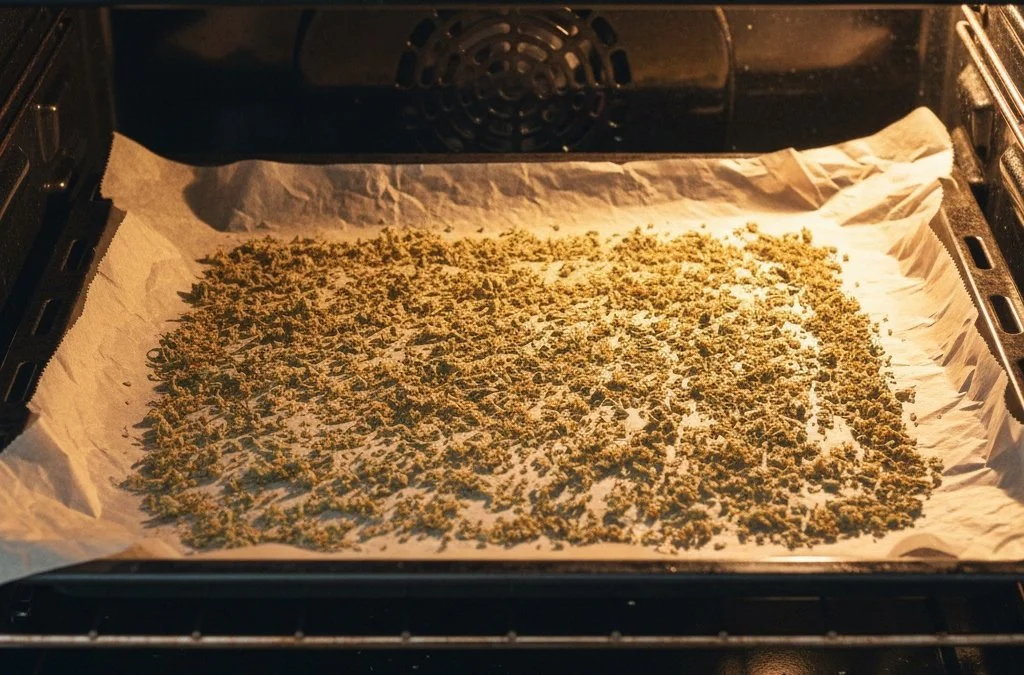
Raw cannabis contains THCA, which is a non-psychoactive precursor to THC. To convert THCA into THC, you need heat, and this heat-driven chemical process is called decarboxylation. Without this step, your infused chips will have little to no psychoactive effect, regardless of how much cannabis you use.
Decarboxylation is often the step where beginners make the most costly errors. Too much heat degrades THC into CBN (a cannabinoid that causes drowsiness rather than the typical euphoric effects). Too little heat leaves THCA unconverted. Precision here directly impacts the strength and quality of your final product.
Step-by-Step Decarboxylation Process
Preheat your oven to 240 degrees Fahrenheit (115 degrees Celsius).
Break your cannabis flower into small, even pieces by hand or with a grinder. Avoid grinding it into a fine powder since smaller particles are more prone to burning.
Spread the cannabis in a single layer on a parchment-lined baking sheet.
Place it on the middle rack and bake for 30 to 40 minutes.
The cannabis should turn from green to a light golden-brown color and become dry and crumbly.
Remove from the oven and let it cool completely before handling. This decarbed cannabis is now ready for infusion.
Common Mistakes That Reduce THC Potency During Decarb
The most frequent mistakes include setting the oven temperature too high, not using an oven thermometer to verify actual temperature (ovens can be inaccurate by 25 degrees or more), overcrowding the baking sheet, and opening the oven door repeatedly during the process. Each of these errors introduces inconsistency into the activation process and can result in uneven potency across your batch.
Another overlooked issue is skipping decarboxylation entirely when using concentrates. While some concentrates undergo partial activation during extraction, most still benefit from a brief decarb cycle to maximize THC availability.
Is decarboxylation necessary when using cannabis distillate?
Cannabis distillate is one of the few exceptions. It is already fully activated during the distillation process, so you can apply it directly to chips without a separate decarb step. This makes distillate a convenient option for direct infusion methods where you want to skip the oven step entirely.
Three Proven Methods to Infuse Chips With THC
There are three primary approaches to getting THC into your chips: oil-based infusion, butter-based infusion, and direct application. Each method has trade-offs in terms of flavor, ease of preparation, and dosing precision. The following table provides a quick comparison to help you decide which route fits your situation.
Choosing the Right Infusion Technique
Each infusion method offers a distinct balance of flavor profile, dosing precision, and required effort. Whether you are looking for a quick snack or a gourmet finish, use the comparison below to determine which approach best fits your schedule and culinary goals.
Method
Best For
Flavor Impact
Dosing Control
Prep Time
Oil-Based Infusion
Homemade chips, baking batches
Mild cannabis undertone
Moderate
1–2.5 hours
Butter-Based Infusion
Drizzling, dips, finishing
Richer, creamy flavor
Moderate
1–2.5 hours
Direct Application
Store-bought chips, quick batches
Minimal (with distillate)
High
15–20 minutes
Oil Based Infusion Method
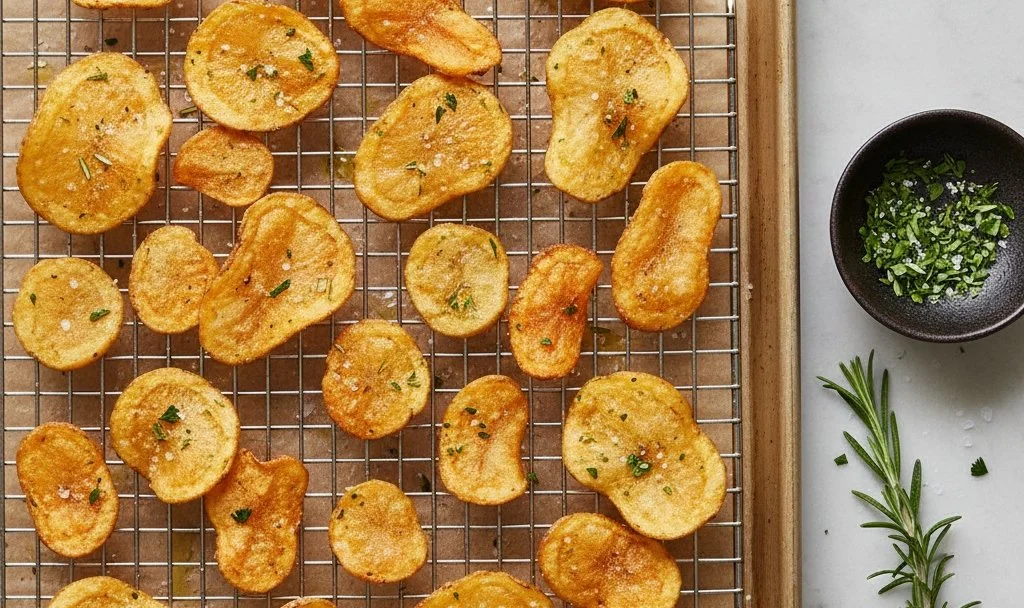
This is the most common approach and offers good balance between flavor and dosing control. After decarboxylating your cannabis, combine it with your chosen cooking oil in a saucepan over low heat (around 160 to 200 degrees Fahrenheit). Stir frequently and maintain this temperature for 45 minutes to two hours. The longer the infusion, the more cannabinoids transfer into the oil.
Once done, strain the mixture through cheesecloth or a fine mesh strainer to remove all plant material. Store the cannabis-infused cooking oil in a dark, airtight container. When you are ready to make chips, toss or spray your chips with the infused oil, spread them on a lined baking sheet, and bake at 250 degrees Fahrenheit for 20 to 25 minutes until the oil absorbs.
Butter-Based Infusion Method
The butter method follows the same logic but uses unsalted butter as the carrier fat. Melt the butter in a saucepan on low heat, add your decarbed cannabis, and simmer gently for one to two hours while stirring occasionally. Strain the plant material, then refrigerate the THC-infused butter until it solidifies.
Cannabutter works especially well as a finishing ingredient. Melt it lightly and drizzle it over warm chips, or mix it into a dip that pairs with your chip of choice. The richer flavor profile of butter adds a dimension that oil-based methods do not, but it also has a shorter shelf life and requires refrigeration.
Direct Tincture or Oil Application Method
For the most straightforward approach, you can apply a cannabis tincture or pre-made THC oil directly onto chips without making your own infused base. Use an oil sprayer to mist the tincture or oil evenly over a spread of chips. This method gives you the most precise control over per-chip dosing, since you can measure exactly how much THC you are applying.
After spraying, toss the chips gently to redistribute the coating, then bake at a low temperature (around 250 degrees Fahrenheit) for 10 to 15 minutes. The heat helps the oil absorb without degrading the cannabinoids. This is also the fastest method, making it a good fit for small batches or when you want to experiment with different dosage levels.
Which infusion method produces the least cannabis taste in the final chip?
The direct application method using a refined cannabis distillate or a flavorless MCT oil tincture produces the least noticeable cannabis taste. Since distillate is stripped of most plant terpenes during processing, it adds potency without the earthy or herbal flavor that comes with full-spectrum oil or butter infusions.
THC-Infused Potato Chips Recipe You Can Make at Home
This basic recipe uses the oil-based infusion method and can be adapted for any chip style or seasoning. Here is what you will need:
3 to 4 medium russet potatoes (or your preferred variety)
2 to 3 tablespoons of THC-infused oil
Salt to taste
Optional seasonings: smoked paprika, garlic powder, cayenne pepper, or nutritional yeast
Instructions:
Preheat your oven to 375 degrees Fahrenheit (190 degrees Celsius).
Wash and peel the potatoes (or leave the skin on for added texture).
Slice the potatoes as thinly and uniformly as possible using a mandoline slicer or sharp knife.
Pat the slices dry with a clean towel to remove excess moisture.
Toss the slices in a bowl with the THC-infused oil until each piece has a thin, even coating.
Arrange the slices in a single layer on a parchment-lined baking sheet. Avoid overlapping.
Season with salt and any additional spices.
Bake for 15 to 20 minutes, checking frequently after the 12-minute mark, until the chips are golden and crispy.
Remove from the oven and transfer to a wire rack. The chips will continue to crisp as they cool.
For store-bought chips, skip the slicing and baking steps. Instead, spread the chips on a baking sheet, spray or drizzle with infused oil, toss to coat, and bake at 250 degrees Fahrenheit for 10 to 15 minutes until the oil is absorbed.
Seasoning Variations to Try With Infused Chips
The seasoning you use can either complement or mask the natural cannabis flavor, depending on your preference. A chili-lime blend works well with tortilla chips and citrus-forward strains. Smoked paprika and sea salt pair naturally with kettle-cooked potato chips. For something more adventurous, try a dusting of everything bagel seasoning or a light coating of parmesan and black pepper. Ranch powder mixed with a pinch of dill is another crowd-pleaser that holds up well during the baking process.
Can you add kief directly to chips as a seasoning?
You can, but it needs to be decarboxylated first. Sprinkle decarbed kief over oil-coated chips before baking for an added potency boost. Keep in mind that kief is more concentrated than flower, so adjust your dosage calculations accordingly to avoid overconsumption.
How to Dose THC-Infused Chips Safely
Dosing is the most critical part of making any edible, and chips are no exception. The standard recommended starting dose for edibles is between 2.5 and 5 mg of THC per serving, especially for anyone who is new to cannabis or has a low tolerance. Because edibles are processed through the digestive system and metabolized by the liver, the effects are stronger and last significantly longer than smoking or vaping.
To calculate your per-chip dose, determine the total milligrams of THC in your infused oil batch, then divide by the number of chips in your batch. For example, if your infused oil contains 100 mg of THC total and you spread it across 20 chips, each chip carries roughly 5 mg. Keep this math consistent and label your batches clearly.
Factors That Affect THC Tolerance and Response
Body weight, metabolism, prior cannabis experience, recent food intake, and individual endocannabinoid system differences all influence how a person responds to THC edibles. Someone with a faster metabolism may feel effects sooner but for a shorter duration, while a slower metabolism can mean a delayed onset with longer-lasting intensity. These factors vary widely from person to person, which is why starting low and adjusting upward over multiple sessions is the safest approach.
Tips for Responsible Consumption
THC edibles take time to produce effects (minimum 2 hours) because they must pass through the digestive system first. To stay safe and get the most from your batch, keep the following in mind:
Start with one chip and wait at least 60 to 90 minutes before consuming more.
Stay hydrated and avoid mixing with alcohol or other substances.
Store infused chips in a clearly labeled container, away from children and anyone who should not consume them.
Avoid driving or operating machinery until you know how the dose affects you.
Keep a journal of your dose and effects to fine-tune future batches.
What should you do if you consume too much THC from edibles?
If you feel you have consumed too much, move to a calm and comfortable space, drink water, and focus on steady breathing. The effects are temporary and will subside, though they may last several hours. Chewing black peppercorns or consuming CBD may help counteract some of the intensity. Avoid driving or operating machinery until the effects have fully worn off.
How to Store THC-Infused Chips for Maximum Freshness
Proper storage protects both the chip's texture and the THC's potency. Heat, light, and oxygen are the three biggest enemies of cannabinoids. Once your infused chips have cooled completely, transfer them to an airtight container and store in a cool, dark place like a pantry or cupboard. Avoid leaving them on a countertop near a window or in a warm kitchen.
If you are not planning to consume the batch within a few days, consider vacuum-sealing portions for longer storage. For infused oils and butters that you have not yet applied to chips, refrigeration extends their usable life to three to four weeks, while freezing can preserve them for several months.
Shelf Life Expectations for Homemade Edible Chips
Homemade THC-infused chips generally maintain peak quality for one to two weeks when stored in an airtight container at room temperature. After that, the chips may go stale, and the oil can begin to turn rancid, which affects both flavor and potency. THC itself degrades at a rate of roughly three to four percent per month under typical storage conditions, converting gradually into CBN.
For commercial producers, packaging with nitrogen-flushed bags and moisture-absorbing packets can extend shelf life significantly, pushing it to six months or more. Always check for signs of spoilage (off-putting smell, texture changes, visible mold) before consuming any stored edibles, regardless of how recently they were made.
Can you freeze THC-infused chips to extend their shelf life?
Freezing is possible, but not ideal for chips specifically. The moisture introduced during the thawing process can make chips soggy and compromise their texture. A better strategy is to freeze the infused oil or butter separately and then prepare fresh chip batches as needed. This preserves the cannabinoid potency without sacrificing the crunch.
Getting the Most Out of Every THC-Infused Batch
The difference between a mediocre batch of THC chips and a great one relies on a few specific details: accurate decarboxylation, quality carrier oils, uniform coating, and strict dosing. While simple, these steps demand attention. Cutting corners on temperature checks or "eyeballing" oil ratios creates snacks that are either ineffective or uncomfortably potent.
If you are attempting this for the first time, start with a small batch using the direct application method and a known-potency distillate. This approach eliminates variables, providing a reliable baseline before you experiment with homemade extracts or complex seasonings. Keep your dosing precise, label containers clearly, and prioritize proper storage to preserve flavor and integrity.
While manual infusion is perfect for the home kitchen, maintaining that level of consistency across thousands of units requires a more sophisticated approach. If you are ready to move beyond manual application and ensure precise, automated dosing at scale, we can help.
At Sorting Robotics, we build the advanced automation technology needed to turn a craft process into a streamlined, high-output production workflow. Explore our solutions here and see how we can optimize your manufacturing today.
Frequently Asked Questions
How Long Does It Take for THC-Infused Chips to Produce Effects
THC-infused chips typically take between 30 minutes and two hours to produce noticeable effects. The onset depends on your metabolism, whether you have eaten recently, and the dosage. Because THC from edibles is processed through the liver and converted into 11-hydroxy-THC (a more potent metabolite), the effects tend to be stronger and longer-lasting than inhaled cannabis, often persisting for four to eight hours.
Can You Infuse Store-Bought Chips Without Making Your Own From Scratch
Yes. Store-bought chips work perfectly well for infusion. Spread them on a baking sheet, apply your infused oil evenly using a spray bottle, toss them to redistribute the coating, and bake at 250 degrees Fahrenheit for about 10 to 15 minutes. Tortilla chips, flavored chips, cheese puffs, and even pretzels can all be infused this way. The key is using an oil sprayer rather than pouring to avoid soggy patches and uneven THC distribution.
What Is the Ideal Temperature for Decarboxylating Cannabis at Home
The most widely recommended temperature is 240 degrees Fahrenheit (115 degrees Celsius) for 30 to 40 minutes. This range activates the maximum amount of THCA into THC without degrading the cannabinoids. Using an oven thermometer is strongly advised since home ovens frequently run hotter or cooler than their displayed settings, sometimes by as much as 25 degrees.
Can You Use CBD Flower Instead of THC Flower to Infuse Chips
Yes. The infusion process is identical regardless of the cannabinoid profile. CBD flower still requires decarboxylation to convert CBDA into active CBD. The resulting chips will not produce psychoactive effects but may offer the calming and anti-inflammatory properties associated with CBD. You can also use a balanced THC:CBD strain for a milder, more controlled experience.