
Scaling Your Cannabis Production with Jiko’s Modular Automation
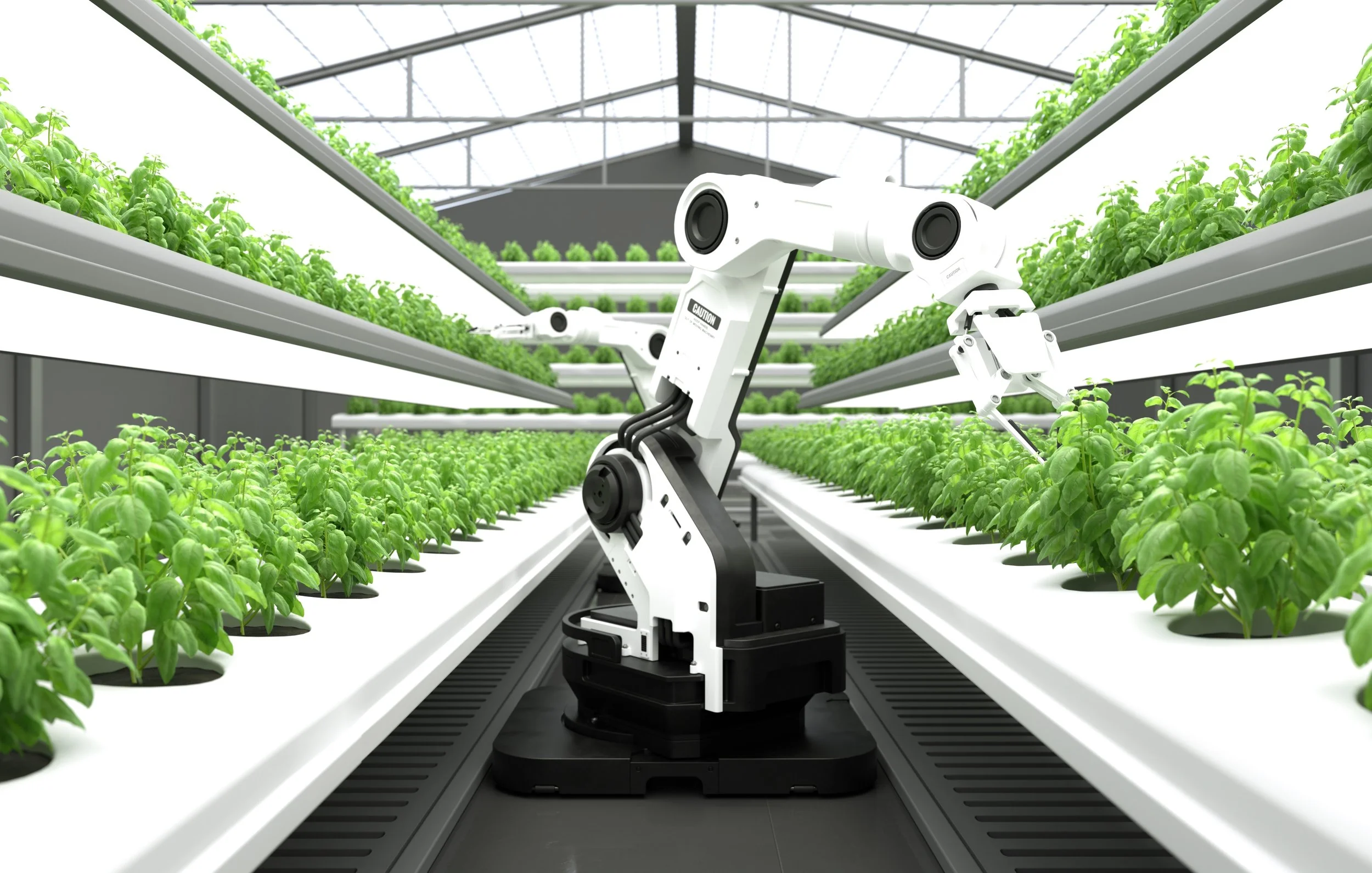
As cannabis demand keeps climbing, producers face a tough challenge: how to grow without losing quality or eating up profits. Manual processes just can’t keep pace anymore. That’s where modular automation like Jiko from Sorting Robotics steps in. It’s designed to help cannabis manufacturers scale up smoothly, adapting to changing needs without massive upfront headaches.
Beyond boosting production, automation also helps reduce operating expenses. According to the Resource Innovation Institute, smart automation and energy management in cannabis facilities can cut operating costs by up to 15%, with some advanced strategies reaching savings of 30%.
In this blog, we’ll explore why scaling cannabis production calls for smart automation, what makes Jiko’s modular system stand out, and how it can fit into your facility to help you grow efficiently and reliably.
How Automation Enhances Efficiency in Cannabis Production
Cannabis production is growing faster than ever, and with that growth comes a host of challenges. Many producers rely on manual labor for tasks like rolling, infusing, and coating pre-rolls, work that’s time-consuming and prone to mistakes. As orders multiply, keeping up without sacrificing product quality becomes almost impossible.
Automation steps in as a smart solution, helping manufacturers meet demand while maintaining consistency, reducing errors, and cutting costs. It’s not just about speed; it’s about creating a reliable, scalable process that can adapt as your business evolves.
Labor Challenges in Manual Pre-Roll Production
Pre-roll production by hand demands intense focus and skill, but is often repetitive and exhausting. This leads to worker fatigue, increased chances of errors, and high turnover. Finding and training skilled workers is also a continuous burden that can limit your ability to scale efficiently.
Quality Control and Consistency Issues
When workers manually dose concentrates or coat pre-rolls, slight variations occur. These inconsistencies can affect potency, flavor, and overall product experience, which customers quickly notice. Plus, uneven dosing risks running afoul of strict state regulations, threatening both compliance and brand reputation.
Meeting Increasing Consumer Demand
The cannabis market isn’t slowing down. As demand rises, brands need to produce more without compromising quality or delivery timelines. Manual processes simply can’t keep pace, making automation a must-have for scaling up production reliably.
Regulatory Compliance Made Easier with Automation
Cannabis regulations often require exact dosing and detailed record-keeping. Automated systems reduce human error and provide traceable production data, helping you stay compliant with evolving rules and avoid costly fines or product recalls.
How does automation reduce operational risks in cannabis production?
Automation creates consistency by standardizing every step, dosing, coating, and packaging with precision machines. This reduces variability and mistakes, lowering the risk of regulatory penalties, product recalls, or damage to your brand’s reputation. Plus, real-time data tracking helps catch issues early before they become bigger problems.
Why Modular Automation Systems Are Key to Scalable Cannabis Production
Scaling cannabis production isn’t one-size-fits-all. Every operation has different needs, whether it’s volume, product variety, or workflow complexity. That’s where modular automation stands out. Instead of a rigid, fixed machine, modular systems let you build and adapt your automation setup piece by piece.
Jiko’s modular design means you can start small and add capabilities as you grow, with no costly replacements or downtime. This flexibility helps keep your production agile, efficient, and ready for whatever comes next.
What Makes Modular Automation Different
Modular automation breaks down production tasks into smaller units or modules. Each module handles a specific job, like dosing or coating. You can mix and match these modules, tailoring the system exactly to your product and volume needs, and upgrade or swap parts without overhauling your entire line. The seamless integration of Jiko, Stardust, and Omni exemplifies this modular philosophy, allowing manufacturers to snap together specialized injection and coating units into one cohesive, high-efficiency production stream.
The Core Components of Jiko Automation
Jiko’s system includes dosing modules with precision pumps, conveyor systems, and smart sensors to monitor product flow. It integrates seamlessly with pre-roll fillers and other cannabis equipment, creating a smooth, end-to-end workflow.
Customization for Various Production Volumes
Whether you’re producing a few hundred or tens of thousands of pre-rolls per day, the modular setup scales with you. Add more dosing units or conveyor lines as demand rises; no need to buy a whole new system.
Easy Integration with Existing Workflows
You don’t have to scrap your current setup. Jiko’s modular units are designed to slot into existing lines with minimal disruption, allowing gradual automation without slowing down production.
Can Jiko’s system adapt to different cannabis product formats?
Absolutely. The modular design supports cones, tubes, blunts, and even hash-hole pre-rolls. It’s flexible enough to handle different concentrates like distillates, rosin, or kief, making it a versatile fit for your product range.
Key Benefits of Jiko’s Modular Automation for Cannabis Production
Choosing to scale your cannabis production with modular automation isn’t just about keeping up with demand; it’s about improving every aspect of your operation. Jiko’s system offers more than speed. It ensures consistent quality, reduces waste, and provides data insights to fine-tune your process.
These benefits combine to give your business a serious edge, especially in a competitive market where customers expect premium products every time.
Increased Throughput Without Sacrificing Quality
Jiko can boost production rates significantly, handling up to 1,200 pre-rolls per hour, without losing the craftsmanship that defines your brand. This speed helps meet growing orders while maintaining the same tight standards customers trust.
Precision Dosing for Consistent Product Experience
With precise dosing mechanisms, Jiko ensures each pre-roll contains exactly the right amount of concentrate. This consistency helps avoid under- or overdosing, which can harm customer satisfaction and regulatory compliance.
Data-Driven Production Insights
Integrated sensors and software track every stage of production, giving you real-time data on output, errors, and machine health. This information helps you identify bottlenecks, reduce downtime, and continuously improve efficiency.
Reduced Labor Costs and Waste
Automation cuts down the number of hands needed on the production floor and minimizes material waste through precise application. Over time, these savings translate into higher profit margins and better resource management.
What’s the typical ROI when switching to Jiko’s automation?
While it varies by operation size, many producers see a return on investment within 6 to 12 months through labor savings, increased output, and reduced product waste. Faster production also means quicker fulfillment and revenue growth.
How to Successfully Integrate Jiko Automation into Your Cannabis Facility
Adding modular automation like Jiko to your cannabis production line is a big step, and doing it right makes all the difference. It’s not just about plugging in new equipment; it’s about understanding your current process, planning carefully, and preparing your team to embrace change. Success in this transition often depends on how pick and pack robots reduce human labor costs and redistribute personnel to more high-value tasks, turning the initial "big step" of automation into a long-term strategy for operational resilience.
When done well, automation not only boosts output but also improves morale and quality. Taking the time to implement in phases, train staff thoroughly, and use data effectively sets you up for long-term success.
Assessing Your Current Production Needs
Before installing anything, take a close look at your existing workflow. Identify bottlenecks, repetitive manual tasks, and areas where mistakes happen most often. This assessment helps you choose the right Jiko modules and decide the best place to start your automation journey.
Planning for Phased Automation Deployment
Jumping all-in can disrupt your operations. Instead, phase the rollout; start with modules that solve your biggest problems first. This approach lets your team adjust gradually, keeps production steady, and lowers risks associated with sudden changes.
Staff Training and Change Management
Your operators and supervisors need to feel confident using the new system. Provide hands-on training sessions, create clear guides, and encourage questions. Communicate why automation benefits everyone, from reducing repetitive strain to making their work more meaningful.
Leveraging Production Data for Continuous Improvement
One of Jiko’s biggest advantages is real-time data collection. Use this information to monitor machine performance, spot inconsistencies, and detect issues before they escalate. Regularly reviewing data with your team helps optimize processes and drive continuous improvement.
Research shows that even low-cost automation prototypes can deliver precise environmental control vital for cannabis production. For example, a study demonstrated that a sensor-based system maintained temperature stability between 22 °C and 28 °C and reliably controlled relative humidity from 80% to 40% over an 8-week test period. This level of control helps reduce waste and improve consistency, key benefits you can achieve by integrating Jiko’s modular automation in your facility.
The Role of Jiko Automation in Expanding Cannabis Manufacturing
Theory is one thing, but seeing how automation works in actual cannabis facilities makes the benefits clear. Many producers who’ve integrated Jiko’s modular system have seen real, measurable improvements across production speed, product consistency, and cost control. These stories highlight why flexible, scalable automation is quickly becoming essential for growth, not just for big operations but for midsize and even smaller producers aiming to compete.
Improved Production Capacity
Several brands have doubled or even tripled their pre-roll output after adopting Jiko’s modular automation. By automating tasks like dosing and coating, they’re able to meet surging demand without having to increase labor hours or add costly shifts. This increased capacity also frees up human resources for other value-added tasks.
Consistent Product Quality Across Batches
Automated dosing systems ensure every pre-roll contains the exact amount of concentrate or coating, batch after batch. This consistency helps brands maintain customer trust and comply with strict state regulations that require precise product labeling and content.
Faster Time to Market
Speedy, reliable production means brands can bring new product lines or limited editions to market faster. Instead of waiting on manual processes, automation allows for quicker scaling of seasonal or trendy offerings, giving producers a competitive edge.
Reduced Operational Costs
Beyond boosting output, automation lowers labor costs by reducing manual steps and cutting down on mistakes that lead to wasted materials. Precise dosing means fewer product losses and less rework, which adds up to significant savings over time.
Can small and mid-sized producers benefit from Jiko’s automation?
Absolutely. Jiko’s modular design is made to be accessible. Smaller producers can start with core modules that address their biggest pain points and gradually add more automation as their business grows. This flexibility makes scaling affordable and practical for a wide range of operations.
Take Your Cannabis Production to the Next Level with Smart Automation

Scaling your cannabis business doesn’t have to be overwhelming. With modular automation like Jiko, you get the flexibility to grow steadily, improve product quality, and reduce operational headaches, all without major disruptions. It’s a practical way to meet rising demand while keeping your workflow efficient and your costs in check.
If you’re serious about scaling smartly and sustainably, exploring modular automation is a no-brainer. Visit Sorting Robotics today to discover how Jiko’s solutions can seamlessly fit your production needs and help you grow, smoothly and confidently.
Frequently Asked Questions
How does automation improve cannabis production efficiency?
Automation streamlines repetitive tasks like dosing and packaging, reducing human error and increasing throughput. This leads to faster production times and consistent product quality, essential for scaling cannabis manufacturing operations.
What are the benefits of modular automation systems in cannabis manufacturing?
Modular automation allows producers to customize and scale their production lines flexibly. It helps meet changing demand without expensive full-system replacements, making it ideal for growing cannabis businesses.
Can small cannabis producers afford automation technology?
Yes, modular automation systems offer scalable solutions that fit smaller budgets. Producers can start with basic modules and expand as their production grows, making automation accessible to businesses of all sizes.
How does precise dosing affect cannabis product quality?
Accurate dosing ensures each product contains consistent levels of cannabinoids, maintaining compliance with regulations and providing customers with a reliable experience every time.
What is the typical return on investment (ROI) for cannabis automation equipment?
Most cannabis producers see ROI within 6 to 12 months through increased production capacity, reduced labor costs, and minimized product waste, making automation a financially sound investment.