
Hidden Cost of Manual Quality Control in Cannabis Production
Cannabis companies invest heavily in growing, trimming, and packaging to produce consistent products, but many still struggle with profitability long after harvest. Quality control is meant to protect the brand and ensure compliance, yet most operators rely on manual checks and assume that staff inspection is enough.
Research on manufacturing quality costs shows that a significant portion of total expenses often stems from poor-quality issues, such as waste and rework. Utilizing custom robotics and automation for cannabis manufacturing can help mitigate these expenses, as failure costs often far exceed the costs of visible inspection.
This guide shows where manual quality control quietly drains profits in cannabis production and how modern teams are closing those gaps before small issues grow into serious operational problems.
How Manual Quality Control Creates A False Sense Of Security
Manual quality control often feels reassuring because someone is watching each product as it moves through the line. This creates a sense of power, but that feeling becomes misleading as production speeds increase and more units must be checked each day.
Dependence On Manual Checks Across Cannabis Teams
Most cannabis operations began with people inspecting flower, pre-rolls, and packaged products by hand. At lower volumes, this approach feels practical, since staff can review items quickly and move products forward without relying on complicated systems.
Manual checks also feel flexible and familiar to most teams. Managers trust this method because trained employees know what an acceptable product should look like, However, to maintain this confidence at scale, many seek expert cannabis robotics integration and consulting services to identify where human error might be slipping through the cracks
Limits Of Human Judgment At Higher Production Volumes

As production grows, workers handle more units, move faster, and repeat the same actions for long periods. Fatigue and distraction slowly set in, making it harder to notice minor defects or weight differences on every item.
Human judgment also changes from person to person. When thousands of units move through the line, even slight differences in how quality is judged can lead to uneven results and more flawed products reaching packaging or shipping.
Hidden Financial Costs Of Manual Quality Control
Manual quality control often looks inexpensive on paper, but many of its costs never appear in regular reports. Small mistakes made during inspection and handling quietly turn into lost product and rising labor costs, reducing overall profit.
Here's how product waste and repeated handling quietly turn small mistakes into growing financial losses.
Product Waste Missing From Standard Reports
Overfilled or underfilled products are a common issue when checks are done by hand. When weights are inconsistent, some units end up giving away extra product, while others risk being rejected. Both outcomes mean less usable inventory and less revenue.
Flowers can also be damaged during repeated handling. Each time a product is touched, moved, or opened for inspection, there is a risk that buds will break or lose quality. When problems go unnoticed, entire batches may need to be set aside or discarded, turning sellable product into waste.
Rework And Double Handling Costs
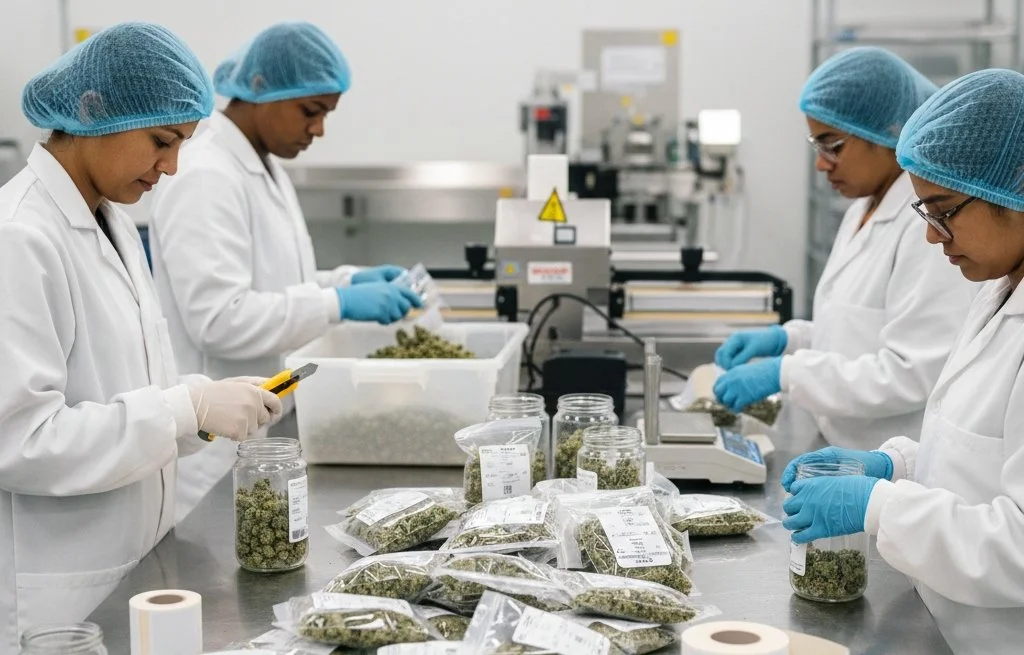
Mistakes found after packaging are expensive to fix. Products may need to be opened, weighed again, relabeled, or even repackaged. Every extra step adds time and labor that was not part of the original plan.
Staff also spend time re-checking products that should have passed the first time. This pulls employees away from productive tasks like packaging and order fulfillment. Over time, these repeated fixes push labor costs higher and make it harder to keep production running smoothly.
How Manual QC Creates Compliance And Regulatory Risk
Even small mistakes in quality control can have big legal consequences in cannabis production. Laws around weight, labeling, packaging, and safety are strict, and errors can lead to fines, recalls, or compliance hearings that eat into profit and reputation.
Weight And Labeling Errors Put Licenses At Risk
Cannabis laws require strict accuracy for net weight and potency information on every package. If a product is underweight, customers may complain, or retailers may reject it from the shelf. If a product is overweight, it can trigger tax or regulatory violations, resulting in penalties. Using a precision vape cartridge filling machine or similar automated hardware ensures that dosing remains within legal tolerances.
Labeling mistakes also drive recall activity. In Colorado this year, regulators reported that products sold at more than 450 cannabis retail locations were later recalled due to quality or safety concerns, showing how easily compliance lapses can ripple through a market.
Missing or inaccurate information on labels also raises red flags with regulators. Even simple omissions, such as incorrect THC content, missing warnings, or inaccurate batch numbers, can trigger audits, fines, or enforcement actions that damage business reputation.
One Missed Defect Can Trigger Recalls
A single missed defect, such as contaminants, the wrong product inside a package, or incorrect packaging, can quickly spread into a much larger problem. Once regulators, retailers, or customers raise concerns, entire batches are often pulled from shelves to prevent safety issues.
Cannabis recalls are costly not only because products must be collected and removed from distribution, but also because retailers and consumers lose confidence in the brand. That one error can affect thousands of units, costing money and trust that took years to build.
This kind of recall risk means manual checks that miss minor defects can lead to severe financial loss and increased oversight from regulators, even when quality control seemed "good enough" at first glance.
Can automated quality control systems help document compliance for state inspections?
Yes, many systems record weights, inspection results, and timestamps, which help teams create audit trails for regulators, though companies must still comply with state recordkeeping and retention rules independently.
Why Growth Makes Manual Quality Control Worse
Growth often feels like a success, but it also puts more pressure on every part of the production process. When quality control relies on people instead of systems, higher volumes can quickly turn minor weaknesses into serious operational problems.
Production Volume Increasing Error Rates
As production rises, teams must inspect more units in the same amount of time. Human speed and focus do not increase at the same rate as output. Staff begin to work faster, and small details are easier to miss during long, repetitive shifts. For those producing specialty items, using the Stardust kief coating machine provides a way to maintain high output without the high error rates of manual dusting.
Rushed checks lead to more errors. Weights can be off, defects can slip through, and labeling issues become more common. What felt manageable at lower volumes can turn into a steady stream of mistakes once thousands of units move through the line each day.
Quality Control Creating Shipping Delays
Manual quality control often becomes the slowest part of the process as production grows. Products may sit in queues waiting to be checked, even when packaging and shipping teams are ready to move forward.
When orders are delayed, cash flow slows, and retailers grow frustrated. Missed delivery windows can mean empty shelves or lost placement in stores. Over time, these delays affect both revenue and relationships, even when demand for the product remains strong.
How Manual Quality Control Damages Brand And Retail Trust
Manual quality control not only affects what happens inside a facility. It also shapes how customers and retailers view a brand over time, especially when product quality changes from one batch to the next.
Here's how inconsistent products and store feedback shape brand reputation over time.
Inconsistent Product Quality Reduces Customer Loyalty
When one jar looks and feels great, but the next one does not, customers notice. They expect the same experience every time they buy a product. If quality varies from batch to batch, many assume the brand is unreliable, even when the problem lies in the production process. For infused products, the Jiko automated pre roll infuser provides the exactness needed to ensure every single unit delivers the same potency and experience.
Most customers never think about quality control. They blame the brand when something feels off. Over time, these minor disappointments reduce trust and make buyers more likely to switch to another label that feels more consistent.
Retailer Confidence Drops From Ongoing Issues
Retailers deal with returns, complaints, and shelf management every day. When a brand sends products that create problems, stores have to spend time handling refunds and customer concerns. This makes the brand harder to work with.
Stores prefer brands that create fewer issues. When quality problems keep recurring, retailers may reduce orders or replace the product with a more reliable option. This directly affects shelf space, sales, and long-term growth.
How do quality issues affect a cannabis brand's long-term retail presence?
Ongoing quality problems lead to returns, complaints, and lost trust from retailers, which can reduce shelf space, lower reorder volume, and make it harder for a brand to maintain long-term placement.
How Cannabis Producers Improve Quality Control Systems
Modern cannabis producers focus on building quality into their daily operations rather than fixing mistakes after they happen. This creates smoother production and more predictable results.
Here's how clearer information and consistent inspection methods improve quality across busy cannabis facilities.
Data-Based Quality Decisions Across Production
Modern operations use simple measurements to guide decisions rather than relying solely on visual checks or personal judgment. Weight data, inspection results, and batch records help teams understand what is really happening on the production floor. When numbers show small shifts in output or consistency, issues can be addressed before they grow.
This approach also helps managers spot trends that are easy to miss in busy facilities. Instead of guessing why quality changes from one day to the next, teams can review clear records and make minor adjustments that improve stability across batches.
Automated Checks For Consistent Results
Many producers now use machines to handle repetitive inspection tasks that require steady focus. Automated systems apply the same checks to every unit, whether it is the first or the last package of the day. This helps remove variation that naturally comes with long shifts and high volume.
These systems do not replace people, but they give teams a more reliable base to work from. Staff can focus on problem-solving and oversight while routine quality checks happen in the background, helping keep production steady and predictable.
How Automated Quality Control Fits Into Cannabis Production
Automated quality control supports cannabis teams by adding steady, repeatable checks directly into daily production. Instead of relying only on people to catch every detail, these systems help maintain accuracy and consistency while keeping products moving through the facility.
Here's how automated checks support accuracy and consistency across cannabis production lines.
Automated Weight And Quality Checks
Automated systems can check product weight and basic visual quality at the same time. This helps ensure that each unit meets set targets without slowing production. Because machines apply the same rules to every item, they help reduce small variations that can occur when checks rely only on human judgment.
Consistent Product Review Across Batches
Automated inspection applies the same standards to every batch, whether it is produced in the morning or late at night. This helps keep product appearance and weight more stable across runs, supporting a more predictable customer experience and making it easier for teams to maintain internal quality targets.
Real Time Quality Monitoring
Many automated systems collect data as products move through the line. This allows teams to see changes in weight or quality as they happen rather than discovering issues after a full batch is complete. Early visibility helps reduce surprises and makes small adjustments easier to manage.
Faster Movement From Production To Shipping
When quality checks happen automatically, products do not need to wait in long inspection queues. This helps finished goods move more quickly from packaging to shipping. Smoother flow through quality control supports faster order fulfillment and helps teams keep up with delivery schedules.
Reduced Dependence On Manual Inspection
Automation does not remove people from the process, but it reduces the amount of repetitive checking they must do. With machines handling routine inspection work, staff can focus on oversight and problem-solving. This helps lower fatigue and supports more reliable quality control over long shifts.
Take Control of QC and Protect Your Profits
Manual quality checks may feel familiar, but as production grows, they quietly drive up labor costs, waste, compliance risk, and brand damage. The fastest way to close these gaps is by introducing automation that handles repetitive inspection and sorting with consistent accuracy.
Sorting Robotics helps cannabis producers scale without compromising quality. Solutions like Stardust for precise kief coating and Jiko/Jiko+ for pre-roll infusion ensure your product moves through each step consistently, while automated weight and visual inspection systems catch defects before they turn into costly recalls or wasted inventory.
With these tools, your team can focus on oversight, problem-solving, and growth, while production stays smooth, predictable, and compliant.
Explore Sorting Robotics solutions and start protecting your operations today
Frequently Asked Questions
How accurate are automated weight and inspection systems compared to manual checks?
Automated systems apply the same measurement rules to every product, which helps reduce variation caused by fatigue or judgment differences. This leads to more consistent and repeatable results than manual checks over time.
Can automation be added to an existing cannabis facility without major layout changes?
Most automated quality control systems are designed to fit into existing production lines. They can often be added without rebuilding the facility, allowing operations to upgrade quality control while keeping normal workflows in place.
How long does it usually take to install and set up an automated quality control system?
Installation time depends on the system and facility layout, but many solutions can be set up within days or weeks. This allows producers to start using automated checks without lengthy interruptions to production.
How does automation affect labor needs in quality control teams?
Automation reduces the amount of repetitive inspection work staff must do. Teams can shift their time toward supervision, problem-solving, and higher-value tasks while machines handle routine quality checks across the production line.
What should cannabis producers look for when choosing a quality control automation provider?
Producers should look for systems built specifically for cannabis, easy integration with current lines, firm support, and clear reporting features. A provider should also understand regulatory needs and real production challenges.