
Why Consistency Beats Novelty in Long-Term Pre-Roll Brand Success
Why Consistency Beats Novelty in Long-Term Pre-Roll Brand Success
Pre-roll brands live and die by repeat purchases. Customers don't just want something new. They want a product they can trust every time they reach for it. Many brands chase new strains, new flavors, and new packaging, yet still struggle with returns, complaints, and lost shelf space. The real problem isn't creativity. It is inconsistent.
Industry data shows that pre-rolled joints have become one of the fastest-growing cannabis categories, generating more than $4.1 billion in sales and accounting for about 15.9% of total cannabis revenue in recent reporting, as consumers increasingly choose these ready-to-use products at dispensaries. This growth highlights why many operators are looking to automate pre roll production lines to keep up with the rising demand at dispensaries.
This blog explains why so many pre-roll brands struggle to grow, even as they keep launching new products. It shows how minor quality issues quietly push customers away, and how consistent production turns first-time buyers into loyal fans who keep coming back.
Hidden Struggles Behind Pre-Roll Brand Growth
Growth often looks strong on paper, yet many pre-roll brands feel stuck because everyday production issues quietly erode customer trust and retail confidence.
Inconsistent Fill and Weight Across Batches
Customers expect every joint in a pack to feel fair. When one pre-roll feels light, and another feels packed too tightly, people notice right away. Even small weight differences can change how long a joint lasts and how satisfied someone feels after using it.
These issues usually start on the production floor. Hand filling and manual weighing depend on people staying perfectly precise for hours at a time. That is hard to maintain, especially during long shifts or high-volume runs. Over time, tiny variations accumulate into fundamental quality gaps that appear in the finished product.
When customers feel shortchanged, even once, they start to doubt the brand. That doubt makes it less likely they will repurchase the same product, no matter how nice the packaging looks.
Poor Burn and Draw That Changes from Pack to Pack
A good pre-roll should burn evenly and draw smoothly from start to finish. When that does not happen, the smoking experience feels frustrating and unpredictable. One joint may burn clean and slow, while the next one runs down the side or keeps going out. This often comes from uneven packing. Utilizing a Jiko automated pre roll infuser can help solve these internal airflow issues by ensuring extracts are placed with machine precision.
This often comes from uneven packing and airflow inside the joint. Too much material in one area or too little in another changes how air moves through the paper. That affects how the flower burns. Manual processes make it challenging to maintain that balance consistently.
Customers do not want to guess which joint will smoke well. They want to open a pack and trust that each one will perform as well as the last good one did.
Retailers Losing Confidence in the Product

Retailers care about customer satisfaction because complaints come back to them. When buyers return packs or leave negative feedback, stores start to see the brand as a risk.
Even if only a small number of packs have issues, the store still has to deal with the fallout. That can mean refunds, wasted shelf space, and extra work for staff. Over time, those minor problems make a brand less attractive to keep in stock.
When consistency drops, reorders slow down. That hurts growth far more than any new flavor or limited edition release can fix.
Why Pre Roll Brands Feel Pressure to Keep Launching New Products
New product launches often look like the fastest way to stay relevant, especially when sales slow or competition increases. For many pre-roll brands, novelty feels like a simple way to regain attention. However, adding specialty items like kief-dusted cones requires the right equipment, such as a stardust kief coating machine, to maintain quality during a launch.
Competing for Attention on Crowded Dispensary Shelves
Dispensary shelves are packed with pre-roll options that often look similar at first glance. When a shopper stands in front of the display, dozens of brands may offer the same strain types and pack sizes. That makes it hard to stand out.
To break through the noise, brands turn to new flavors, new blends, or eye-catching packaging. These changes can create a short burst of interest. A new product gives sales teams and budtenders something fresh to talk about. It also helps a brand feel more visible in a busy retail space.
Social Media and Trend-Driven Cannabis Culture
Cannabis culture moves quickly online. New strains, limited drops, and bold packaging trends spread fast across social platforms. Brands see competitors getting attention for what they just released, which creates pressure to keep up.
When everything feels new and fast, staying quiet can seem risky. Launching something different becomes a way to stay part of the conversation, even if the core product still has issues that need attention.
The False Belief That New SKUs Fix Sales Problems
When sales dip, adding more products can feel like a solution. A new SKU promises a fresh start without fixing what already exists. That can temporarily boost interest, but it does not solve deeper problems.
If the original pre-rolls struggle with weight, burn, or consistency, those same issues often carry over to every new release. Over time, more products spread quality problems across a wider lineup, making them harder to manage rather than easier to fix.
Do limited edition pre-rolls really increase long-term brand loyalty?
Limited editions can create short-term excitement, but loyalty comes from consistent quality and availability. Customers return to products they trust, not those that disappear after a brief launch cycle. Brands that want to diversify safely often use cannabis-focused manufacturing design consulting and custom robotics integration services to plan new SKUs without disrupting their existing core production quality.
How Too Much Novelty Creates Bigger Operational Problems
Trying to stay ahead by constantly launching new products might feel like a good idea, but it often creates deeper production and quality challenges. When novelty leads to complexity, brands may lose control over the very things that make customers loyal.
More Strains Mean More Room for Mistakes
Every new strain, blend, or variation behaves slightly differently during production. Flower density, stickiness, moisture, and trim quality change how it winds into a joint and how it is metered. That means a production line set up for one type may not automatically work well for another. The more variations you introduce, the greater the risk of inconsistent fills, uneven packing, and unpredictable burn quality.
This problem is not limited to cannabis. Research on product assortment shows that expanding product lines increases operational complexity and often leads to higher costs and quality control challenges unless systems and processes are tightly aligned. Managing many stock-keeping units without strong processes increases the likelihood of mistakes and inefficiencies.
Training Staff Becomes Harder with Every New SKU
When teams master one product, they build muscle memory and quality habits. But each time a new SKU is added, workers have to adapt. They must learn new weights, packing techniques, and quality standards. It takes time for people to become comfortable and consistent with each product type. Many facilities find that custom robotics integration and automation services help bridge this gap by allowing machines to handle the technical adjustments required for different product types.
Without clear systems, confusion ensues. One operator might pack a strain differently from another. New products slow down onboarding and introduce more room for human error. Consistency suffers because staff cannot master every variation equally without intensive training and process support.
Inventory, QA, and Compliance Become Hard to Control
More products mean more inventory to track, more testing to perform, and more compliance requirements to document. Every SKU requires its own inventory levels, quality checks, packaging, and lab testing. This multiplies the workload for quality assurance teams and increases the chance of mistakes or missed steps.
Inventory complexity can also impact waste and costs when stock sits too long or gets miscounted. Without tight controls, errors in tracking flowers, packaging, and finished goods can add up quickly. Brands that try to manage all of this manually often see higher waste, slower production, and more compliance headaches, all of which drain time and money from growth efforts.
Why Consistent Pre-roll Quality Builds Customer Trust and Sales
Absolute consistency is not just about looking good once. It is about delivering the same quality every time, so customers and retailers know exactly what to expect from your brand.
Same Weight in Every Joint Builds Customer Fairness
Every roll should feel equal to the next. When weight changes, customers notice and feel shorted. That hurts trust. Consistent weight tells people they are getting the value they paid for, which makes them more comfortable repurchasing the same brand.
Same Burn and Draw: Create a Reliable Smoking Experience
A smooth and even burn helps customers enjoy the product without frustration. When airflow changes from joint to joint, the experience feels unpredictable. Reliable burn and draw allow people to relax and enjoy the same quality each time they open a new pack.
Same Visual Look Builds Brand Recognition on Shelves
Uniform size, shape, and fill make a brand look professional. When products look neat and consistent, they stand out in a good way. Retailers also prefer brands that present well because clean presentation builds shoppers' confidence.
Trust Turns First-Time Buyers Into Repeat Customers
Customers come back when they know what they will get. One disappointing pack can make someone switch brands. When quality stays steady, people feel safe choosing the same product again, which is how long-term loyalty grows.
Retailers Reorder Brands That Do Not Create Problems
Stores want products that sell without causing complaints or returns. Consistent quality makes their job easier. When a brand delivers fewer issues, retailers are more likely to keep it on the shelf and place repeat orders.
Predictable Quality Creates Predictable Revenue
Steady quality leads to steady sales. Brands can plan more effectively when products perform consistently. This stability helps teams manage inventory, production, and growth without relying on short-term spikes from new releases.
Can a pre-roll brand recover after losing customer trust?
Yes. A pre-roll brand can recover by fixing quality issues, delivering consistent products, and rebuilding confidence through reliable performance. Trust returns when customers repeatedly receive the same dependable experience.
Why Manual Production Can't Maintain True Consistency
Many pre-roll brands care about quality, but the way products are made often works against them. When most steps rely on people, even small limits in human performance start to shape the final result.
Human Fatigue and Variation
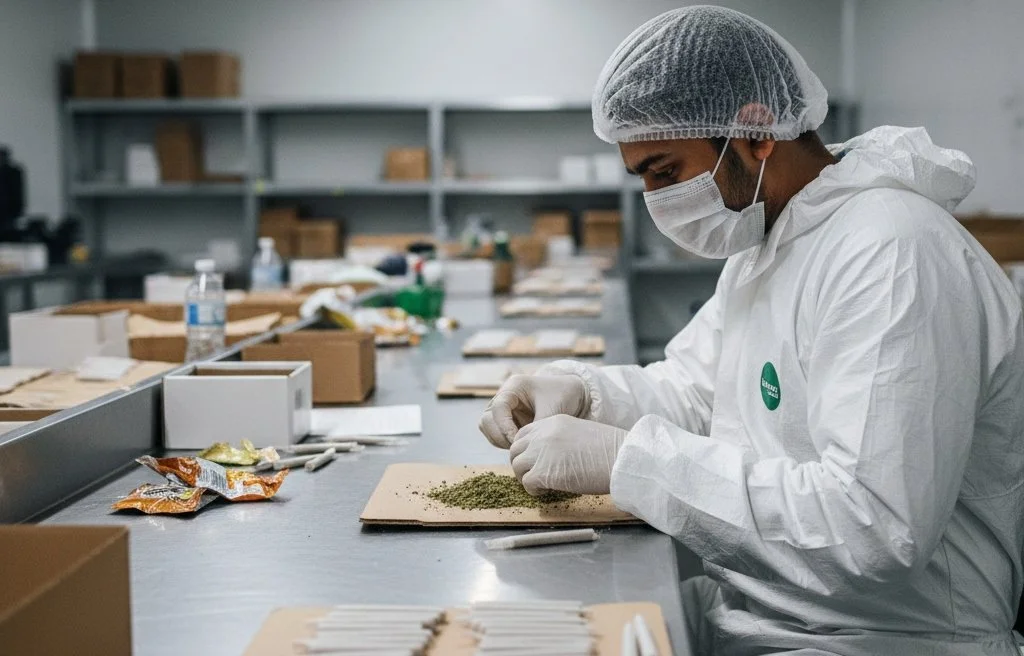
People are not machines. Even skilled workers change their pace, pressure, and focus during a long shift. Hands get tired, attention drifts, and movements become less precise. That leads to slight differences in how each joint is filled and packed. Over time, those small changes create noticeable variation in the finished product.
No team member wants to do a poor job. The problem is that the human body and mind cannot repeat the same action thousands of times without change. That natural variation shows up in weight, density, and the overall feel of pre-rolls.
Weighing and Filling Errors Add Up Over Time
Manual weighing and filling depend on constant adjustment. Scales drift, material sticks, and operators have to keep making tiny corrections. One joint might be slightly over, the next slightly under. On its own, each difference looks small.
Across hundreds or thousands of units, those slight differences add up to real losses. Extra material means higher costs. Underfilled joints lead to complaints and returns. What starts as a few tenths of a gram can quietly affect margins and customer trust.
Scaling Makes Inconsistency Worse, Not Better
When volume increases, the limits of manual work become even clearer. More orders mean a faster pace, longer shifts, and more people involved in the process. Each added step or handoff introduces more room for variation.
What worked at low volume often breaks down at scale. Without strong systems, quality becomes harder to control as production grows. Instead of smoothing out problems, higher output usually makes inconsistency more visible and more costly.
How High-Performing Pre-Roll Brands Lock in Consistency
Brands that stay reliable over time do not depend on luck or extra effort. They build simple systems that keep quality steady, even as production grows and new team members join.
Standardized Processes and Controlled Workflows
High-performing brands document how work should be done and make sure every batch follows the same steps. Clear workflows remove guesswork and reduce variation between operators. When everyone follows the same process, products come out more uniform. This structure turns quality into something that is built in, not something that depends on who happens to be working that day.
Automated Weight and Fill Control
Automation helps remove many of the small human errors that cause inconsistency. Machines can measure and dispense the same amount of material repeatedly with consistent precision. This supports fair weight and even packing without relying on constant manual adjustment. Teams can then focus on oversight and quality rather than trying to correct every minor difference by hand.
Real-Time Quality Checks During Production
Strong operations check quality while products are being made, not just after they are finished. Real-time checks allow teams to spot issues early and fix them before a whole batch is affected. This reduces waste, prevents large-scale problems, and helps ensure that only consistent products move forward to packaging and retail.
Choose Systems Over Trends for Lasting Success
Consistency is the cornerstone of a successful pre-roll brand. When weight, burn, and appearance remain the same from pack to pack, customers trust your product, and retailers confidently reorder. Long-term growth comes from reliability, not chasing short-lived trends.
Sorting Robotics helps pre-roll producers achieve repeatable quality, precise filling, and consistent output at scale. Solutions like Jiko and Jiko+ for precise infusion and Stardust for uniform kief coating remove human error and streamline production, so your team can focus on growing the brand, not fixing mistakes.
See how consistent quality can become your brand’s competitive advantage. Book a demo with Sorting Robotics today.
Frequently Asked Questions
How can brands test pre-roll consistency before sending products to retailers?
Brands can check sample weights, review burn and draw performance, and inspect appearance across batches. Simple in-house quality checks help catch problems before products reach shelves.
What causes pre-roll weight variation even when teams are experienced?
Differences in flower density, moisture, and human handling lead to small changes during filling. Even skilled workers cannot repeat the same action perfectly over long production runs.
At what production volume does manual pre-roll production become unreliable?
Manual methods often struggle once output increases and teams must work faster for longer periods. Higher volume increases fatigue, handoffs, and error rates, which reduces consistency.
What metrics should pre-roll brands track to measure consistency?
Brands should track average weight, weight variation, defect rates, return levels, and customer complaints. These indicators show how stable product quality is over time.
How can brands balance new product launches with maintaining core product quality?
Brands should maintain strong controls over their core products before adding new ones. Stable processes and clear standards help prevent new launches from harming existing quality.
What are the most common reasons retailers stop carrying a pre-roll brand?
Frequent complaints, inconsistent quality, labeling issues, late deliveries, and customer returns make a brand risky for stores. Retailers prefer products that sell smoothly without problems.